
On December 6, 2025, Duke Kunshan University (DKU) Library in collaboration with the Environmental Research Center and the Division of Social Sciences, hosted an Author Talk as part of the DKU Library Author Talk Series at the DKU Visitor Center. The event featured Melissa Bruntlett of Modacity Creative and Chris Bruntlett of the Dutch Cycling Embassy, co-authors of Women Changing Cities: Global Stories of Urban Transformation. Faculty, students, and external guests gathered to explore how women leaders around the world are reshaping cities through more inclusive, sustainable, and people-centered approaches to urban governance.
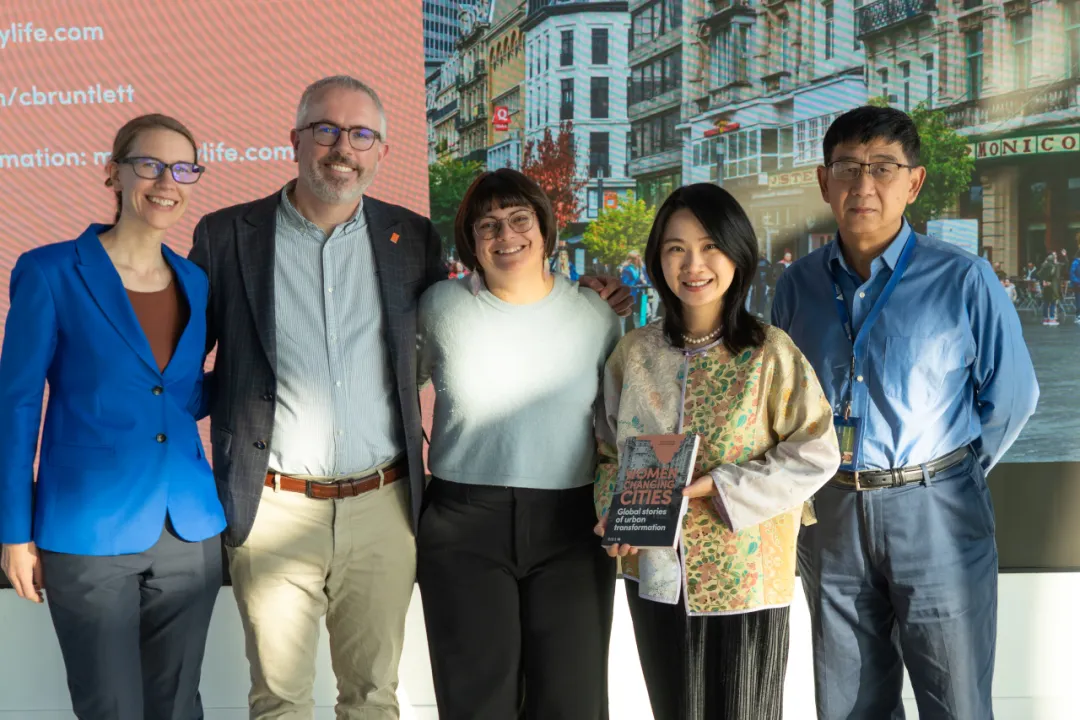

The session was introduced and opened by Dr. Annemieke van den Dool, Assistant Professor of Environmental Policy at DKU, who welcomed attendees from across the university and the wider community. She emphasized the relevance of the book to pressing societal challenges, highlighting how it “brings forward the stories of women around the world and how they have contributed to changing their cities.”
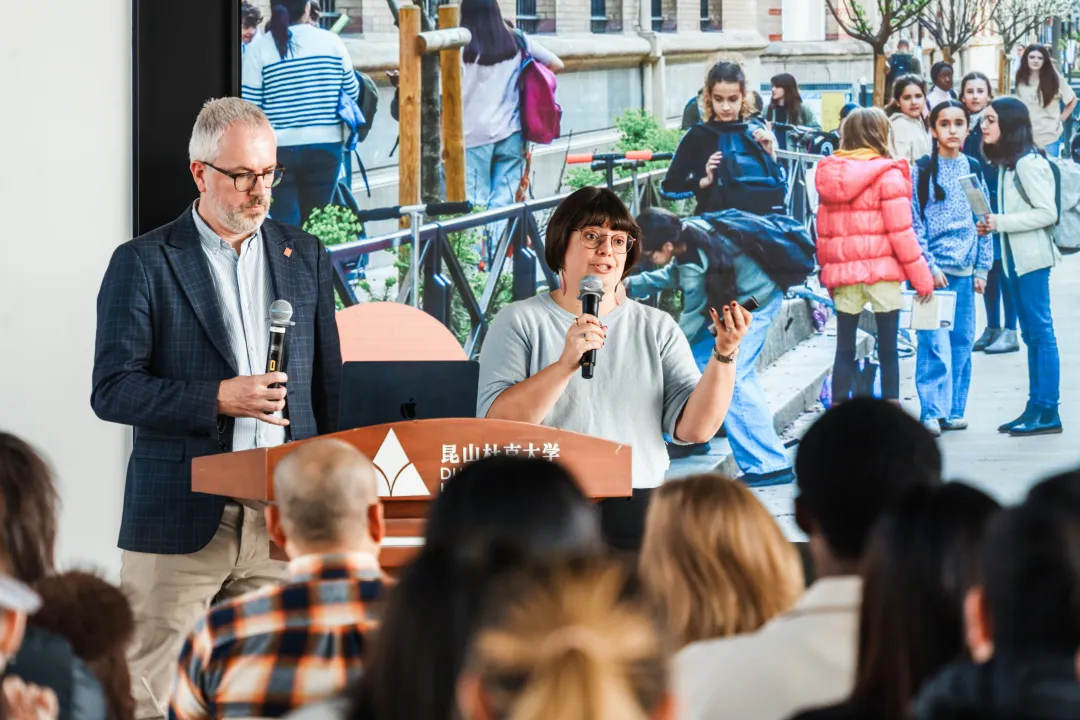
“Our understanding of cities is built on storytelling,” Melissa began, framing the narrative lens that guides their work. Over the years, the Bruntletts have traveled to cities including Barcelona, Bogotá, Brussels, Manila, Paris, Delhi, Kampala, Montréal, Tirana, and Sydney, documenting the narratives that reveal how each place is shaped, governed, and transformed. Their long-standing belief that sharing experiences of travel and everyday urban life can inspire others “to see their own city a little bit differently, or inspire them to visit somewhere new” forms the foundation of their book.
Addressing why they chose to write a book exclusively about women, Chris pointed to the persistent “leaky pipeline” phenomenon in leadership. “Despite the fact that women make up around half of the population, they are still vastly underrepresented when it comes to decision making and positions of leadership,” he said. The book responds to this gap by documenting lesser-known stories of women leading transformative urban initiatives across different global contexts.
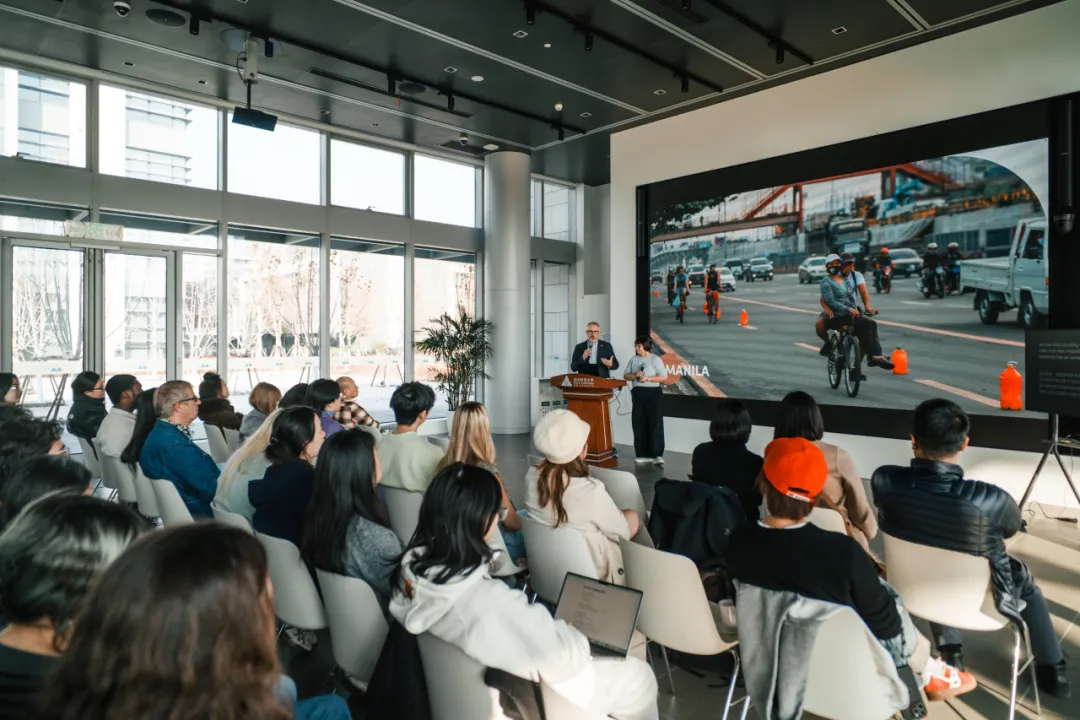
Across these stories, the authors identified five shared leadership traits that distinguish women’s contributions to urban change: leading with empathy, holding a long-term vision, valuing the work of care, building alliances, and prioritizing impact over power. These qualities, they noted, shape more equitable and human-centered urban environments and demonstrate the importance of gender parity in governance.
The session concluded with an engaging Q&A session. Participants asked how the book’s lessons could be adapted to cities with vastly different political, cultural, or spatial contexts, and what role universities can play in fostering more just and mobility-friendly environments. The discussion further reinforced DKU’s commitment to fostering dialogue at the intersection of gender, urban studies, and sustainability.
Content: Wali Ahmed, Cai Yan
Photo: Haozhe Lou