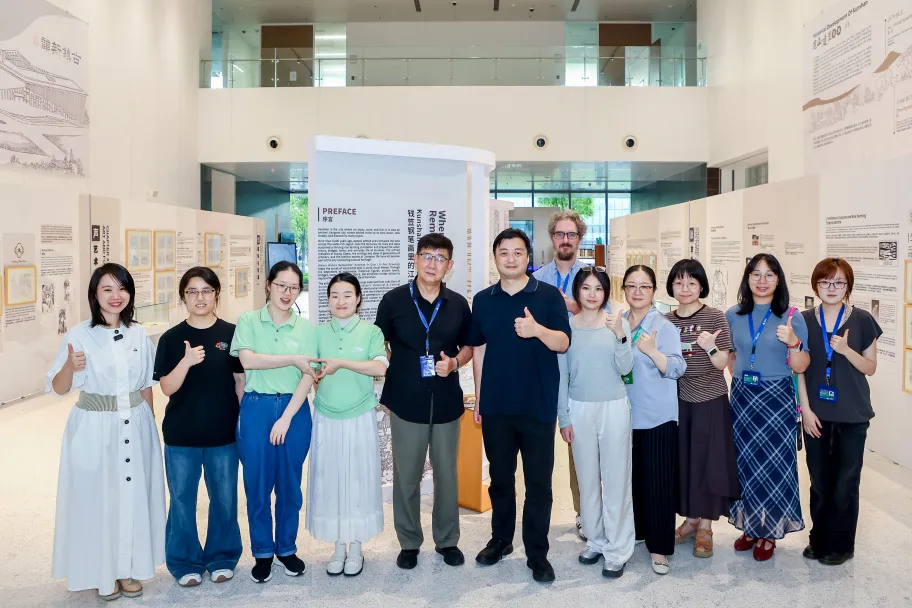
On the afternoon of August 25, Where Waters Remember: Kunshan in Qian Li’s Pen Drawings officially opened at Duke Kunshan University (DKU) Library. Curated by the DKU Library in collaboration with the Kunshan Archives, the exhibition takes the pen drawings of Kunshan-born artist Mr. Qian Li as its visual thread. Drawing on historical archives, local records, and interactive digital projects, the exhibition traces more than six thousand years of local history and explores the people, landscapes, and living traditions that have shaped Kunshan.
The exhibition grew out of a question: How can we better understand the city where we study, work, and live?
Exploring a City through Pen Drawings
The exhibition began to take shape about nine months ago, when the Library team, with support from DKU’s Development and Promotion Center, visited an exhibition of Mr. Qian Li’s pen drawings and met the artist.
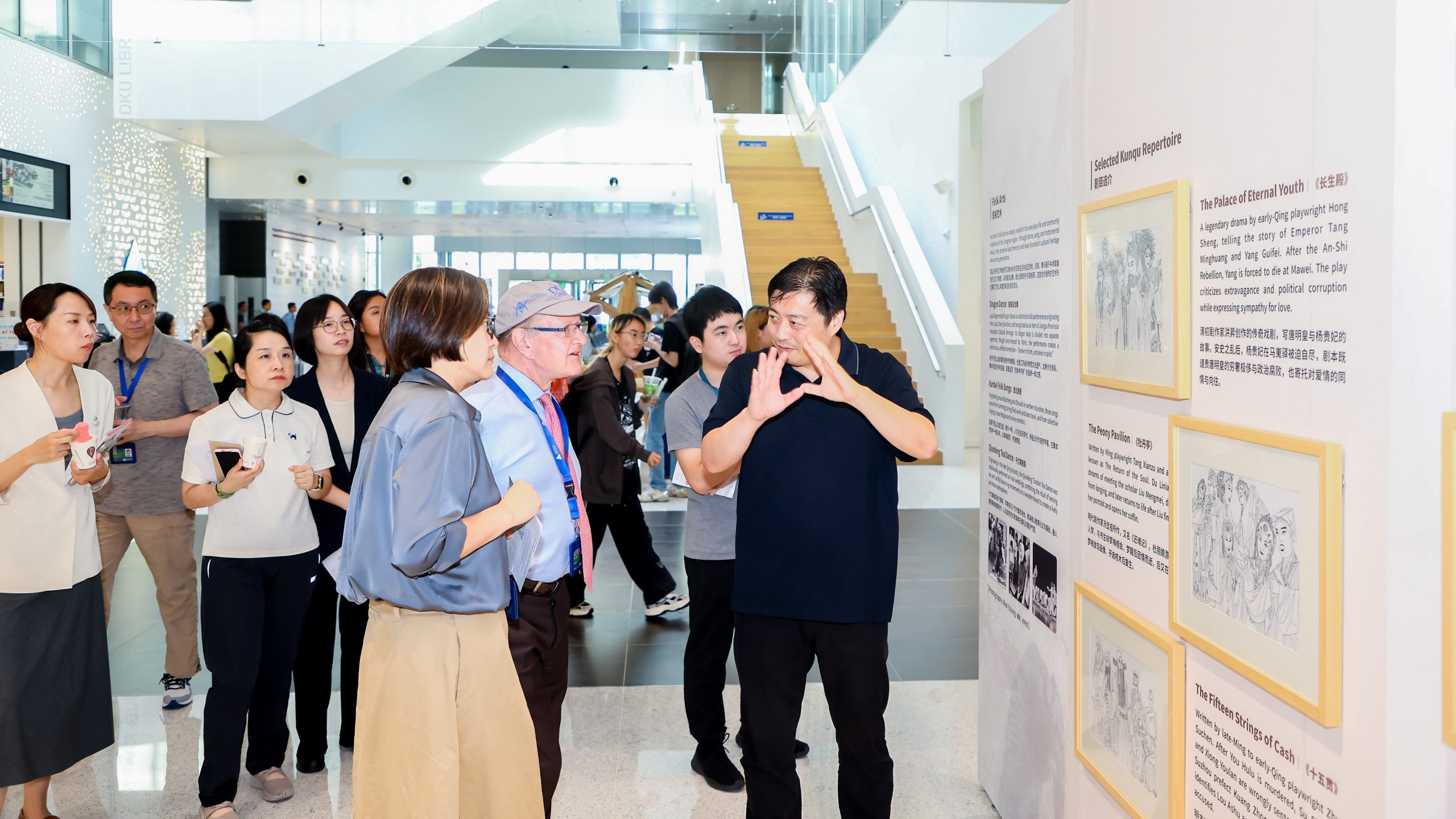
For decades, Mr. Qian has documented his hometown through images of historic towns, waterways, bridges, streets, people, customs, and everyday life. His thousands of drawings record more than individual scenes; together, they form a visual memory of a city that has continued to change.
The Library team envisioned a deeper goal: rather than merely bringing an art exhibition to campus, the team sought to use the drawings as a unique gateway to Kunshan’s history, helping faculty and students from diverse cultural backgrounds perceive the city’s profound heritage through art.
Bringing Art and Archives into Dialogue
This idea led to the Library’s collaboration with the Kunshan Archives. The Archives’ permanent exhibition, Jade Born of Kunshan: An Exhibition of Kunshan’s Historical & Cultural Archives, presents the city’s historical development.
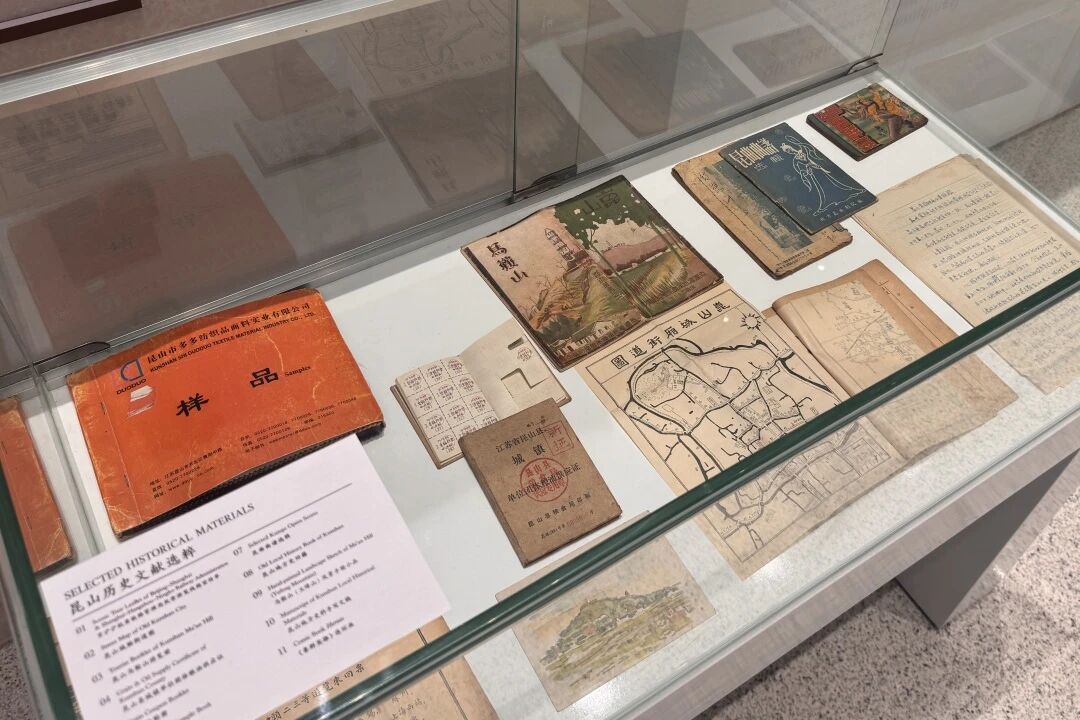
For Where Waters Remember, the curatorial team placed Mr. Qian’s individual perspective alongside the public memory preserved in archival records. The drawings bring history into focus through water towns, bridges, streets, lanes, and people, while the archival materials provide historical context for the places and ways of life they depict.
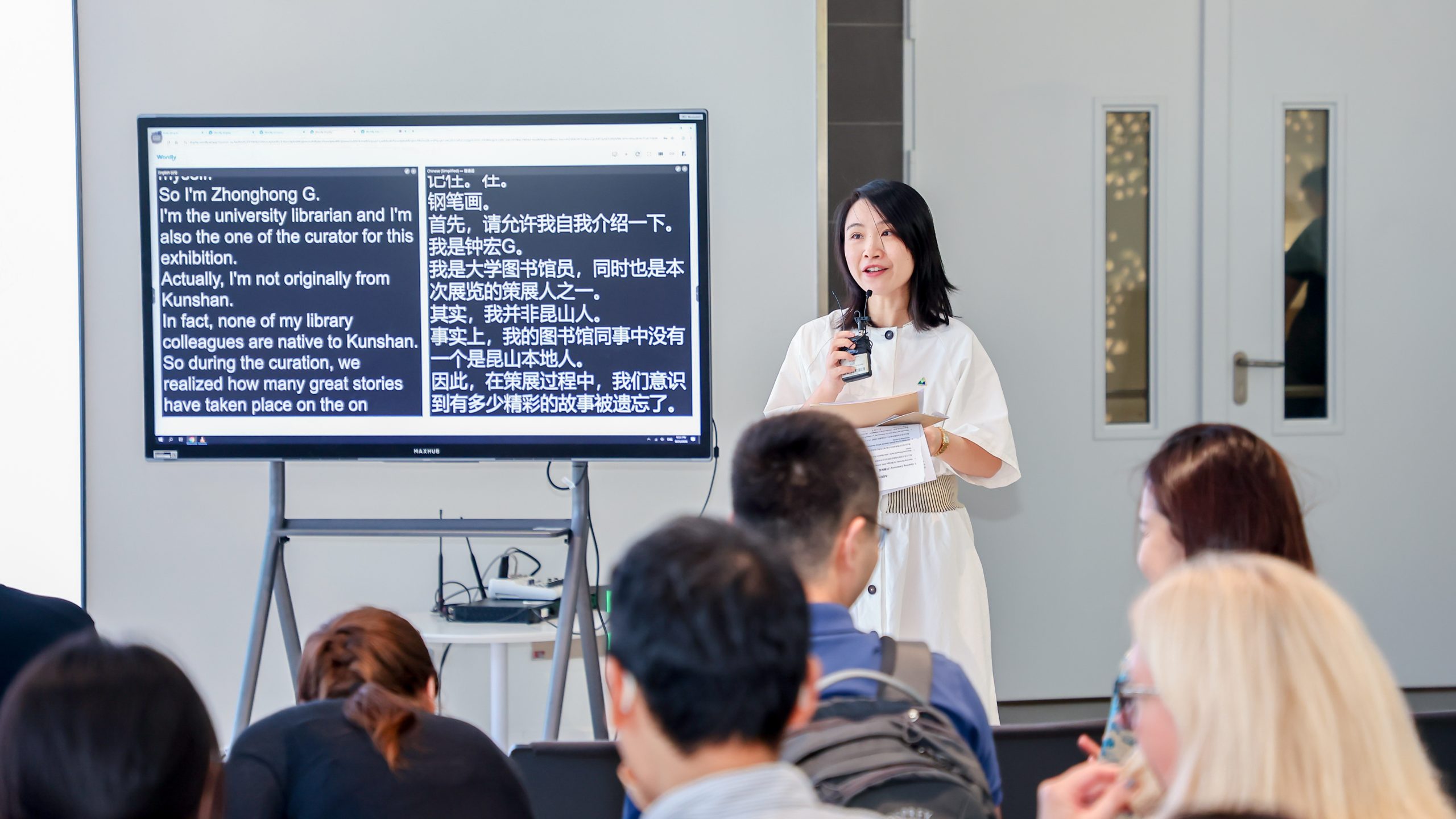
At the opening ceremony, Mengjie Zou, University Librarian at DKU, noted that none of the curatorial team members is from Kunshan. Yet, she said, working with the drawings, archival materials, and local stories allowed the team to “come to know Kunshan more deeply.” The exhibition, she added, is both a curatorial project and an effort to record the city through a cross-cultural perspective.
Reading Kunshan Anew
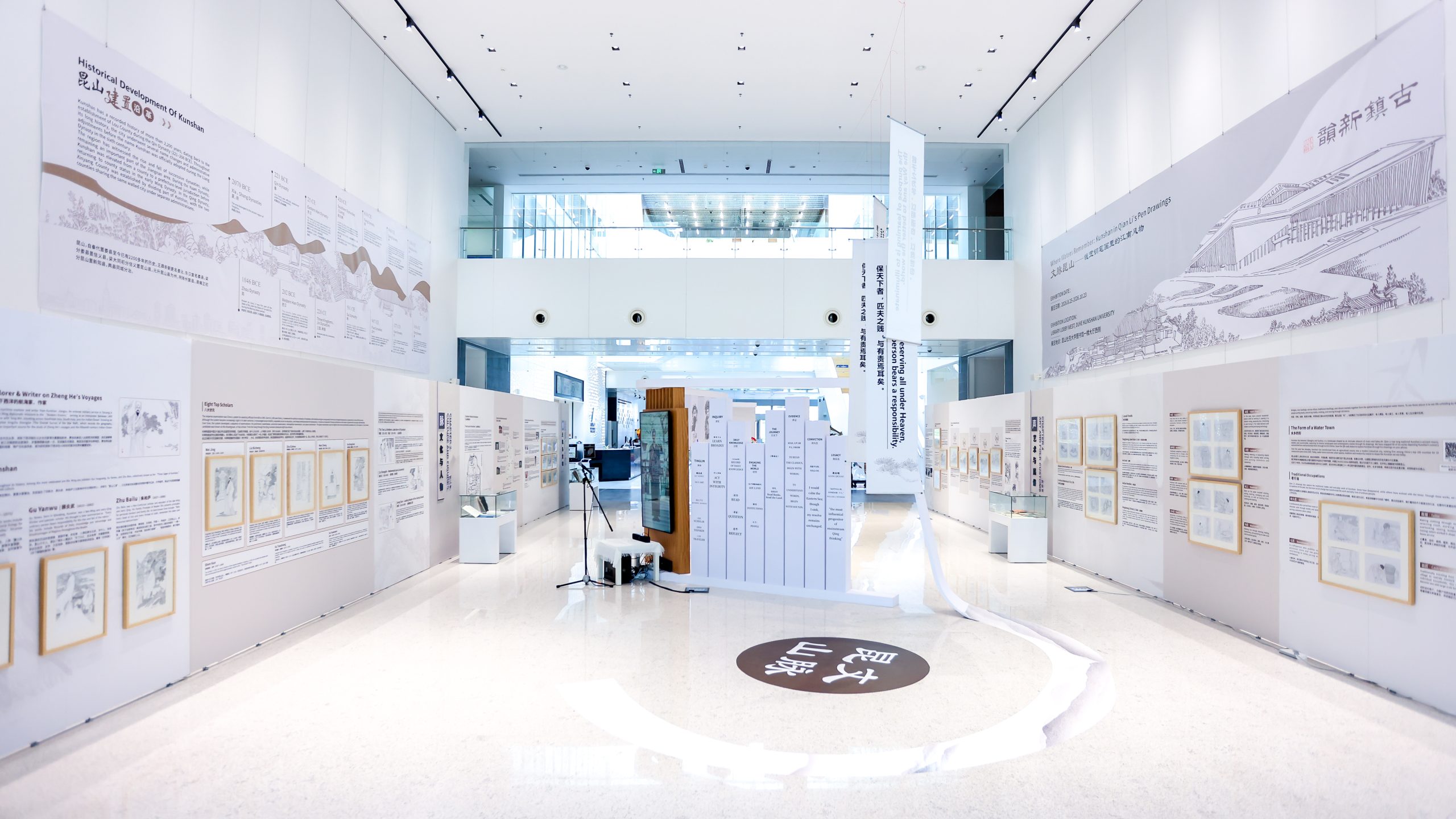
Where Waters Remember unfolds through four chapters: Roots, Legacy, Place, and Sound. Roots begins with prehistoric sites including Chuodun, Zhaolingshan, and Shaoqingshan, tracing early settlement and rice-farming civilization. Legacy follows Kunshan’s intellectual tradition from the literary achievements of Lu Ji and Lu Yun, to Zu Chongzhi’s scientific inquiry and Gu Yanwu’s ideas on practical learning and public affairs. Place turns to the bridges, waterways, streets, and lanes that shape the Jiangnan water-town landscape, as well as the craftspeople who live and work within it. Sound focuses on art forms and local traditions that continue today, including Kunqu Opera, Kunbei folk songs, and the Lujia Duanlong Dance.
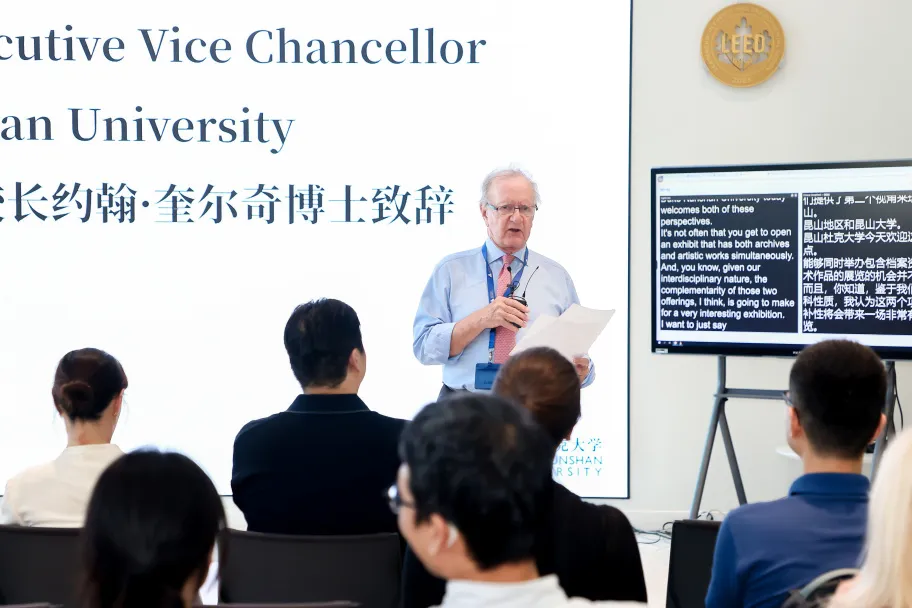
Dr. John Quelch, Executive Vice Chancellor of DKU, observed that Kunshan is often associated with economic success, while its long and rich history may be less familiar to many people. The exhibition seeks to present a Kunshan shaped by its history and still evolving today.
Making History Speak
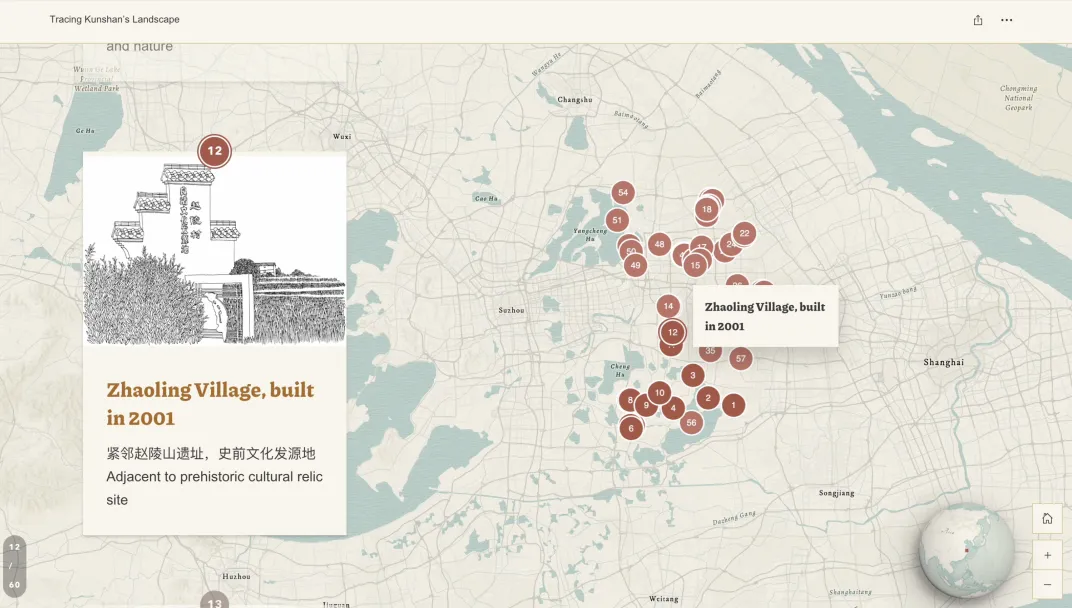
In addition to the physical exhibition displays, digital projects extend the ways to explore the city. An interactive map created with ArcGIS Online links 60 of Qian’s drawings of Kunshan landscapes and buildings to their corresponding present-day locations. Visitors can follow a drawing and find the place it depicts in the city today.
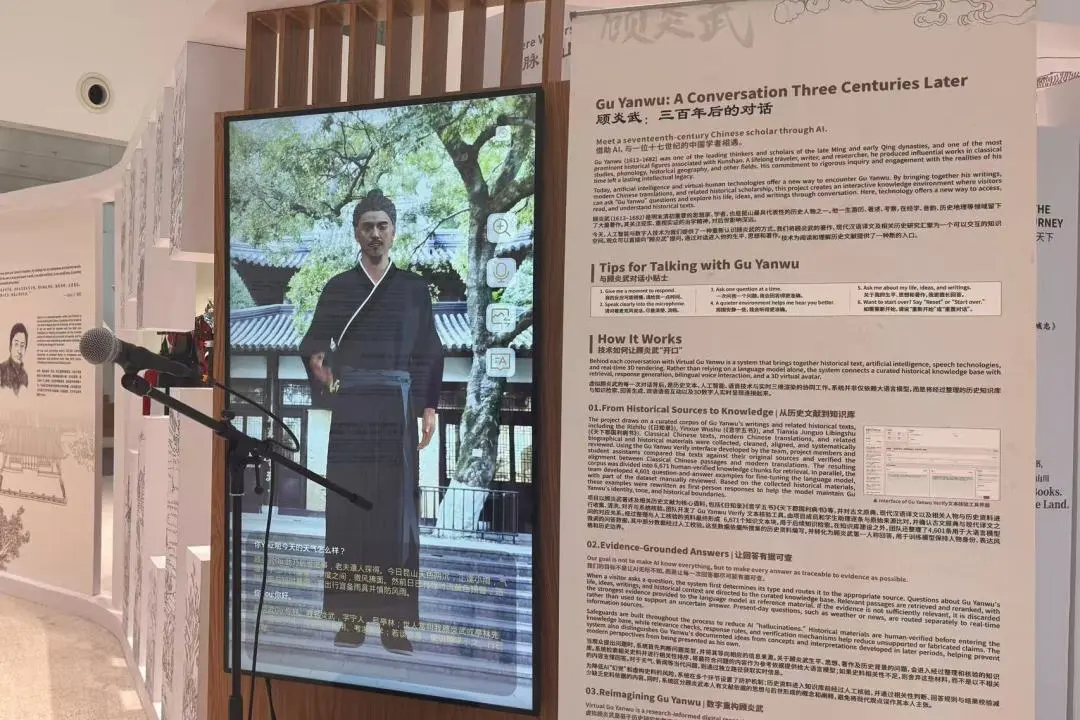
The Virtual Gu Yanwu project was led by the Library team and IT department. Built on a Retrieval-Augmented Generation (RAG) framework, it integrates Gu Yanwu’s original writings, modern Chinese translations, and related historical research. A dedicated data-processing workflow aligns the classical Chinese texts with their modern translations line by line, allowing students to engage in a source-grounded dialogue with a thinker from three centuries ago in the exhibition space.
Bringing Kunshan onto Campus
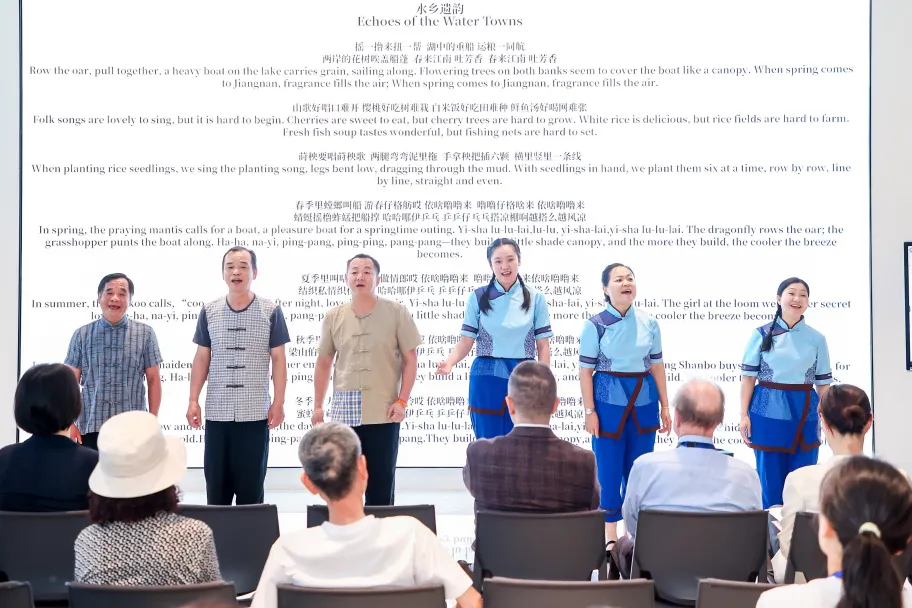
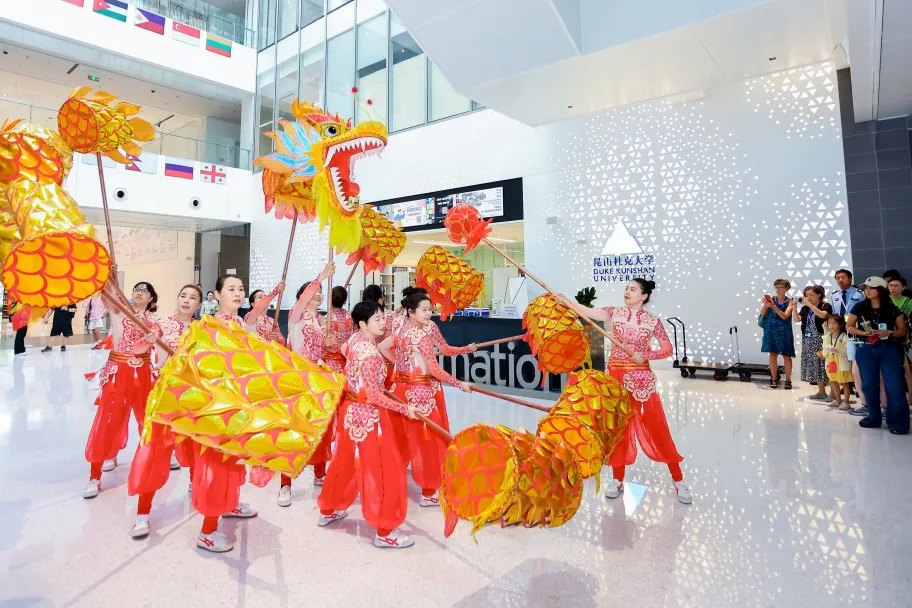
The opening program also brought Kunshan’s cultural traditions into the Library. Kunbei folk song artist Lu Zhenliang and his apprentices performed selections from Echoes of the Water Towns. Huang Qianhui and Wang Zihan from DKU’s Kunqu Club performed “Plucking the Zither” from the Kunqu classic The Jade Hairpin, and the Lujia Women’s Duanlong Dance Team presented the Duanlong Dance.

In Lujia’s Duanlong Dance, the dragon is made up of several separate sections. The dancers move these sections as a unified whole, expressing the idea that “the form may be dispersed, but the spirit remains whole.” Qingtuan, Dingsheng cakes, and Suzhou-style mung bean soup were also served, offering visitors a taste of everyday life in Jiangnan.
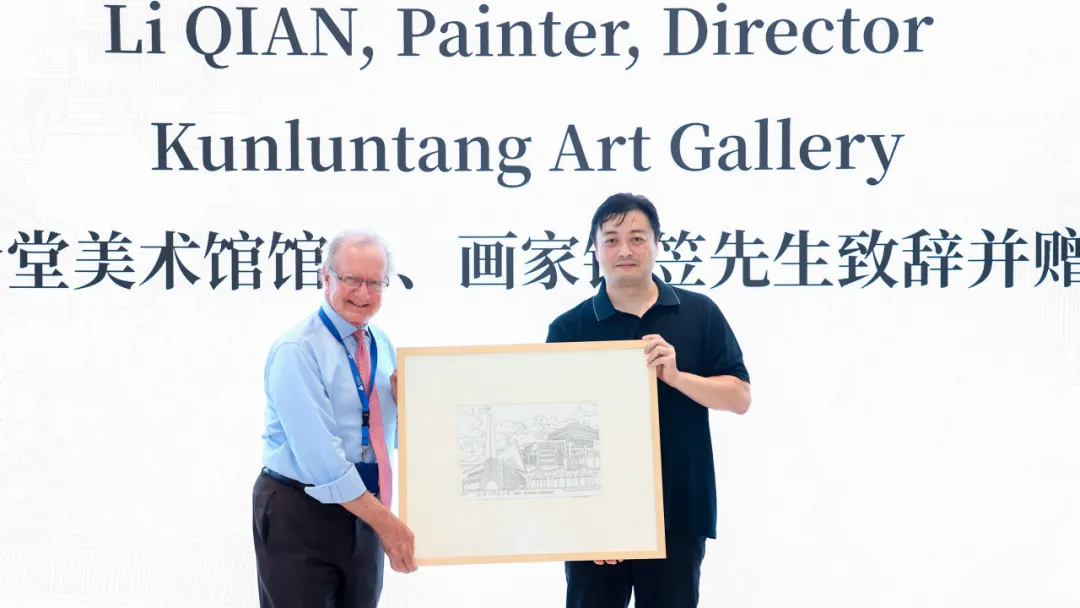
During the opening ceremony, Mr. Qian donated his drawing Scenic Views of Duke Kunshan University to DKU. Dr. Quelch accepted the work on behalf of the University. Su Ye, Deputy Director of the Kunshan Archives, also presented a set of local gazetteers to DKU, which Dr. Scott MacEachern, Vice Chancellor for Academic Affairs, accepted on the University’s behalf. The two donations enrich the University’s cultural resources and further strengthen the relationship among the artist, the Archives, and the University.

From Campus to City
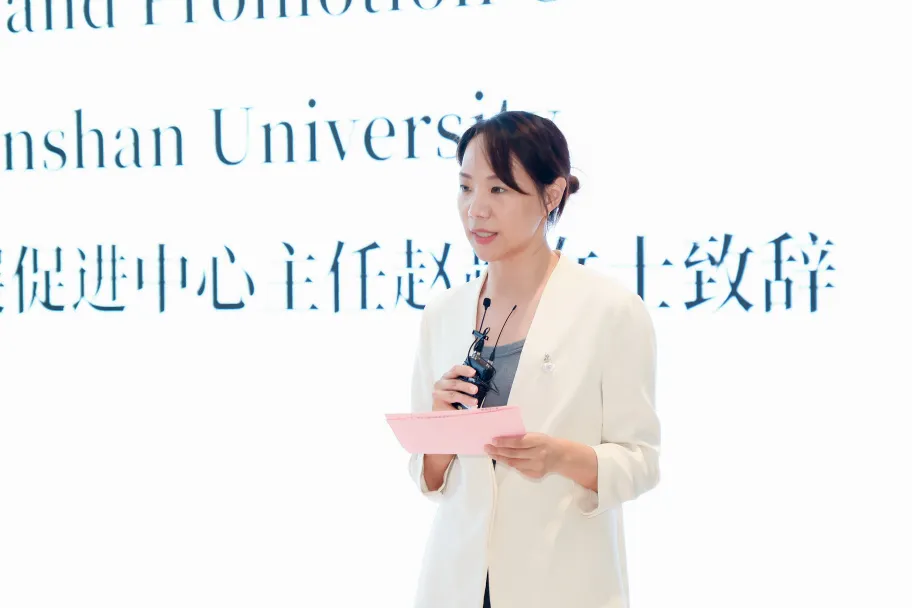
Yue Zhao, Director of DKU’s Development and Promotion Center, noted that the exhibition offers a new opportunity for cultural exchange between the University and the city of Kunshan. For many DKU students, Kunshan may be the first city in which they have lived away from home for an extended period. Getting to know a new city can begin with an unfamiliar lane, a sound never heard before, or a moment of curiosity about local history.
The Library hopes the exhibition can offer such an entry point: bringing people on campus toward the city, while bringing the city’s cultural memory into the University.