
最近,最热门的话题之一莫过于电影《给阿嬷的情书》了。在潮汕话中,“批”即是“信”的意思,而“侨批”则特指海外华侨寄回家乡的书信与汇款。这部电影正是以侨批为线索,串联起一段跨越时空、充满乡愁与亲情的动人故事。
One of the hottest topics recently is none other than the film Dear You. In the Chaoshan dialect, the word “pi” means “letter”, while “qiaopi” specifically refers to the letters and remittances sent home by overseas Chinese. This film uses qiaopi as its narrative thread, weaving together a touching story that spans time and space, filled with nostalgia and family affection.
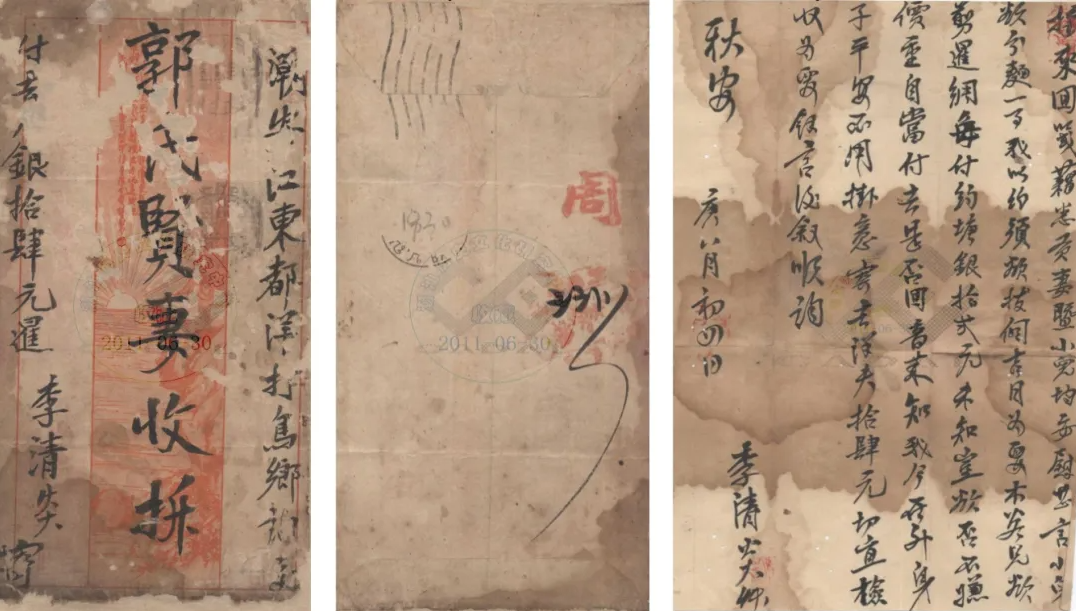
(泰国李清炎寄广东潮安妻子侨批,摘自CADAL,侨批特藏库)
(Qingyan Li in Thailand sent a Qiaopi to his wife in Chao’an, Guangdong. Source: CADAL, Qiaopi Special Collection)
透过这部电影,观众不仅能感受到浓厚的地方语言文化与情感温度,也可以由此延伸,去探寻更丰富的历史记忆。本馆订阅有与侨批及华侨相关的一些资源,例如侨批数据库,以及部分专题书籍。其中,侨批数据库系统整理了珍贵的侨批原件与相关档案资料,便于读者在线检索与研读;而书籍类资源则从历史、社会、家庭等多个维度,深入剖析华侨华人的迁徙历程、家国情怀与书信文化。欢迎感兴趣的读者前来查阅,借助数字资源与纸质文献的交织呈现,走进那段由侨批与华侨共同书写的山海记忆。
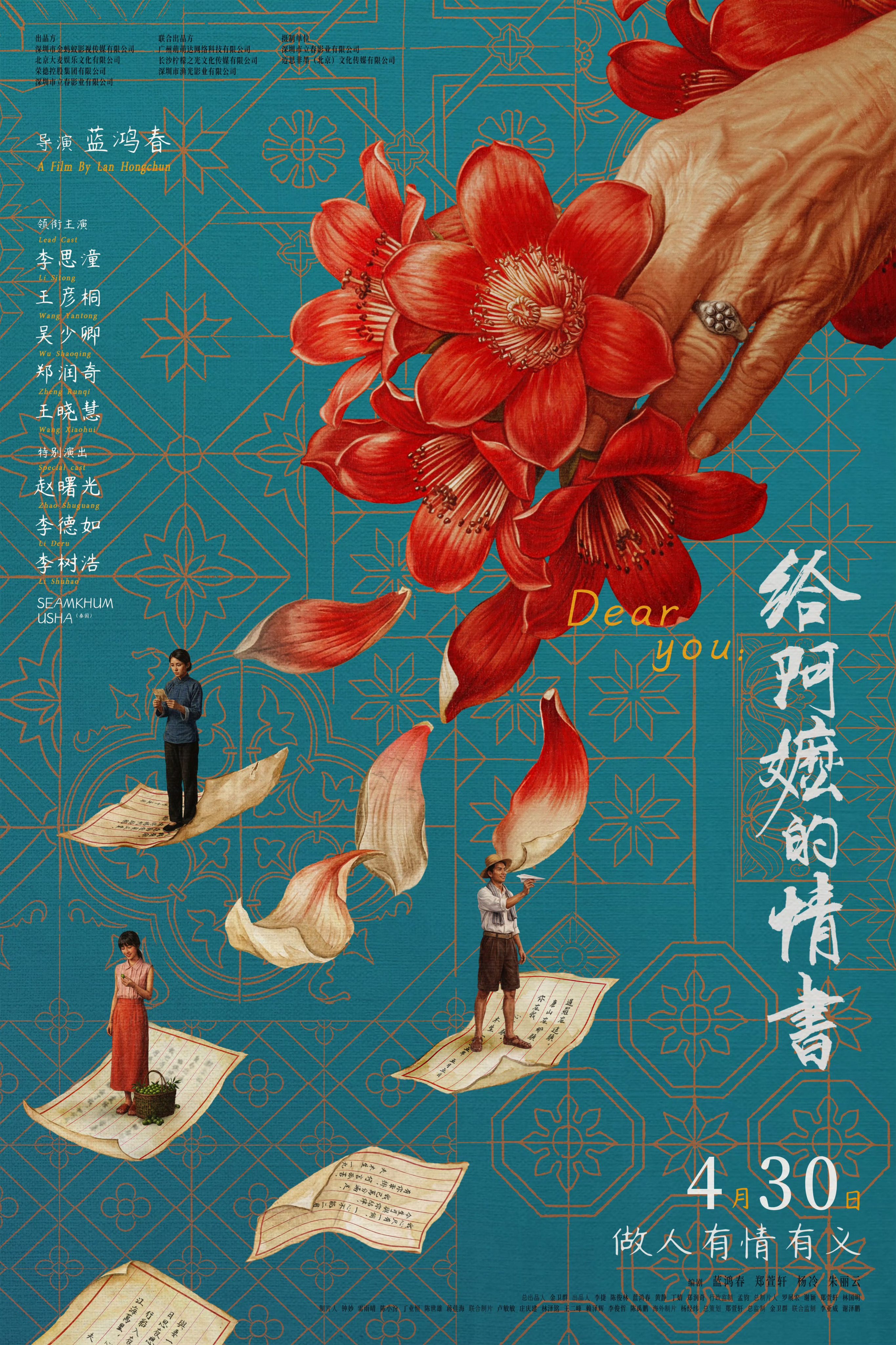
侨批特藏库
Qiaopi Special Collection
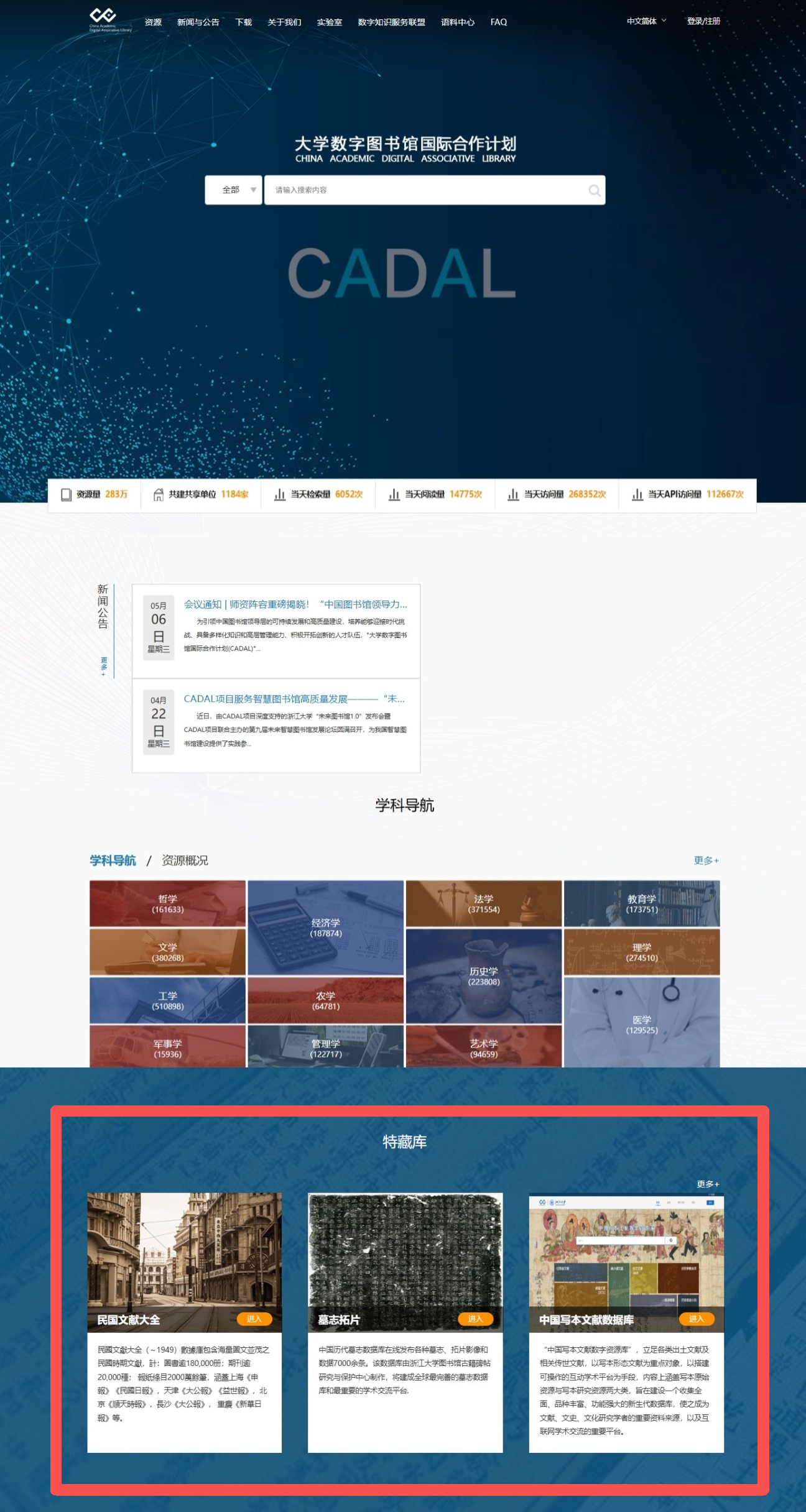
中国学术数字图书馆(CADAL)是由国家投资建设的教育部“211工程”重点项目,由浙江大学与国内外高校及科研机构共同建设并共享。
The China Academic Digital Associative Library (CADAL) is invested and constructed by the state as a key project of the Ministry of Education’s “211” project which is jointly built and shared by Zhejiang University, universities and research institutions at home and abroad.
CADAL官网的”侨批”特藏库是全球首个侨批数字化专题数据库。该项目于2010年由CADAL联合汕头大学启动,2012年正式建成并向全球开放。该库依托数字化技术,持续采集海内外民间及档案馆收藏的侨批原件,目前已收录超过5万件。读者可在CADAL官网的”特藏库”栏目中查阅。
The “Qiaopi” special collection on CADAL is the world’s first digital database dedicated to qiaopi. Launched in 2010 by CADAL in partnership with Shantou University, the database was completed and opened to global users in 2012. Using digital technology, it continuously collects original qiaopi documents from private collections and archives in China and overseas. To date, it has amassed over 50,000 items. The collection can be accessed via the “Special Collections” section on CADAL’s official website.
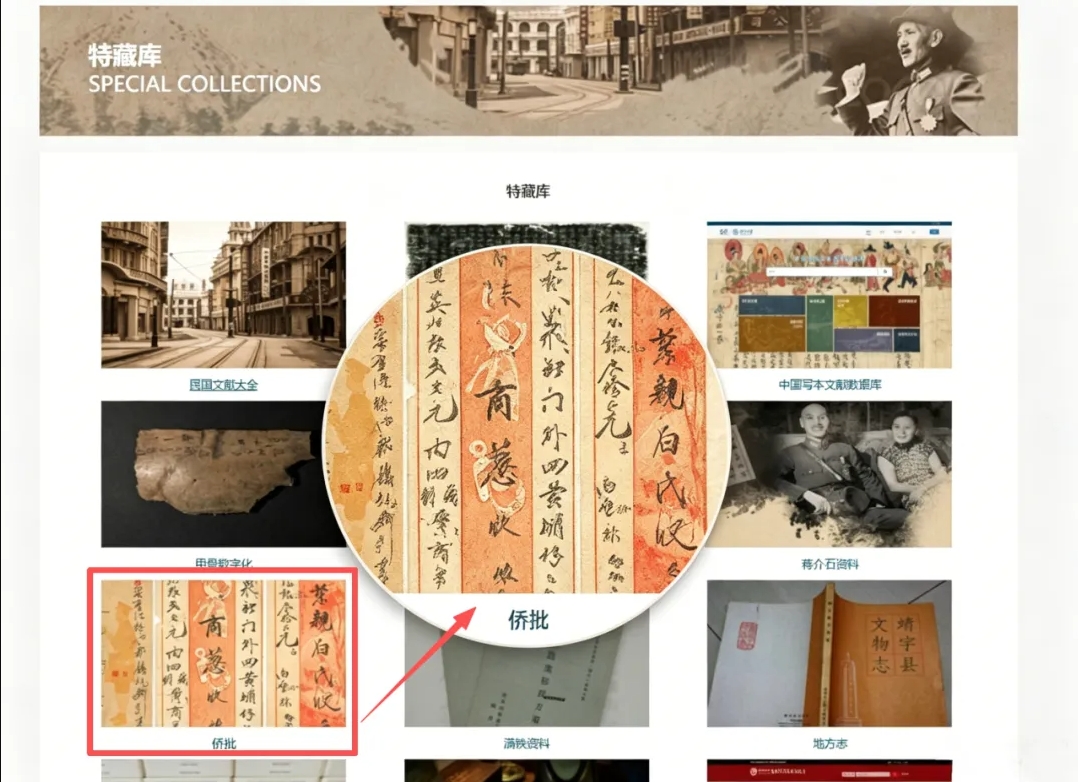
图书馆书籍资源
Library Book Resources
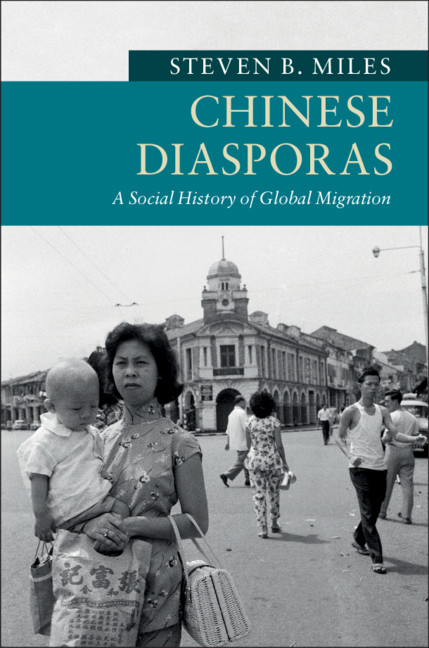
Chinese Diasporas: A Social History of Global Migration
《中国移民 — 全球迁移的社会史》
Steven B. Miles (麦哲维)
eBook: https://search.library.duke.edu/permalink/01DUKE_INST/1tt6tl1/alma99119859863208501
想要读懂《给阿嬷的情书》背后下南洋的历史,推荐麦哲维教授的《Chinese Diasporas: A Social History of Global Migration》。本书梳理自 16 世纪至今全球华人迁徙历程,聚焦闽粤民众远赴南洋、侨批流转、跨国分居家庭等内容,跳出传统华侨史宏大叙事,立足普通人的生活与命运。书中对侨汇、家书制度的详实论述,完美呼应电影里一纸书信牵挂两地亲人的故事,是联结影视故事与华侨真实历史的优质读物。
Highly recommend Chinese Diasporas: A Social History of Global Migration by Steven B. Miles for understanding the historical background of Dear You. Tracking Chinese migration from the 16th century to today, the book focuses on south Chinese migrants heading to Southeast Asia, Qiaopi correspondence and separated transnational families. Different from rigid grand historical accounts, it centers on ordinary people’s lives. Its detailed research on remittances and family letters matches the film’s core plot perfectly, serving as an excellent link between literary work and real overseas Chinese history.
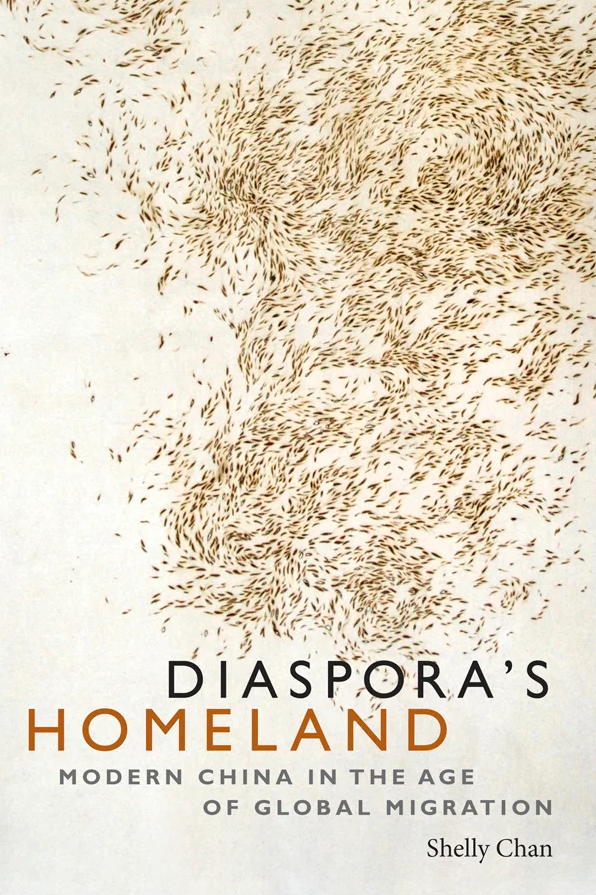
Diaspora’s Homeland: Modern China in the Age of Global Migration
《离散之地:全球移民时代的现代中国》
Shelly Chan
eBook: https://search.library.duke.edu/permalink/01DUKE_INST/1tt6tl1/alma99119383414608501
在经典的华侨史叙事中,游子总是带着“落叶归根”的执念,但 Shelly Chan 在其开创性著作 Diaspora’s Homeland 中提出了一个颠覆性的观点:离散并非仅仅是地理上的远离,更是一种时间的错位。 她创造了“离散时刻”这一概念,揭示了在1893年清廷解除海禁、民国知识界关于南洋的论争,乃至冷战时期的归侨改造中,“故乡”与“他乡”从未真正割裂。正如电影 《给阿嬷的情书》 中那跨越数十年的侨批——信纸那头是泰国街头的奋力生存,信纸这头是潮汕老屋的终身守候。Chan 告诉我们,正是这种跨越时空的情感张力与制度博弈,反向塑造了我们今天所理解的“现代中国” 。这不仅是一部关于移民的历史,更是一部关于“家”如何被远方的脚步重新定义的思想史。
In the classic narratives of overseas Chinese history, the sojourner’s dream is always to “return to the roots”. However, in her groundbreaking work Diaspora’s Homeland, Shelly Chan subverts this notion, arguing that diaspora is not just a geographical departure but a temporal dislocation. Introducing the concept of “diaspora moments”, she examines episodes from the lifting of the Qing emigration ban in 1893 to the socialist campaigns of the 1950s, revealing that the “homeland” and the “frontier” have always been mutually constitutive. If you have watched the film Dear You, you will recognize this tension instantly: the qiaopi that traveled between Thailand and Chaoshan were lifelines of love and money. Chan masterfully articulates how these private, emotional negotiations—similar to the secret letters in the film—were not just personal acts of loyalty but the very forces that built the modern Chinese nation-state. This book is an intellectual history of “home”, written across the vast geographies of global migration.
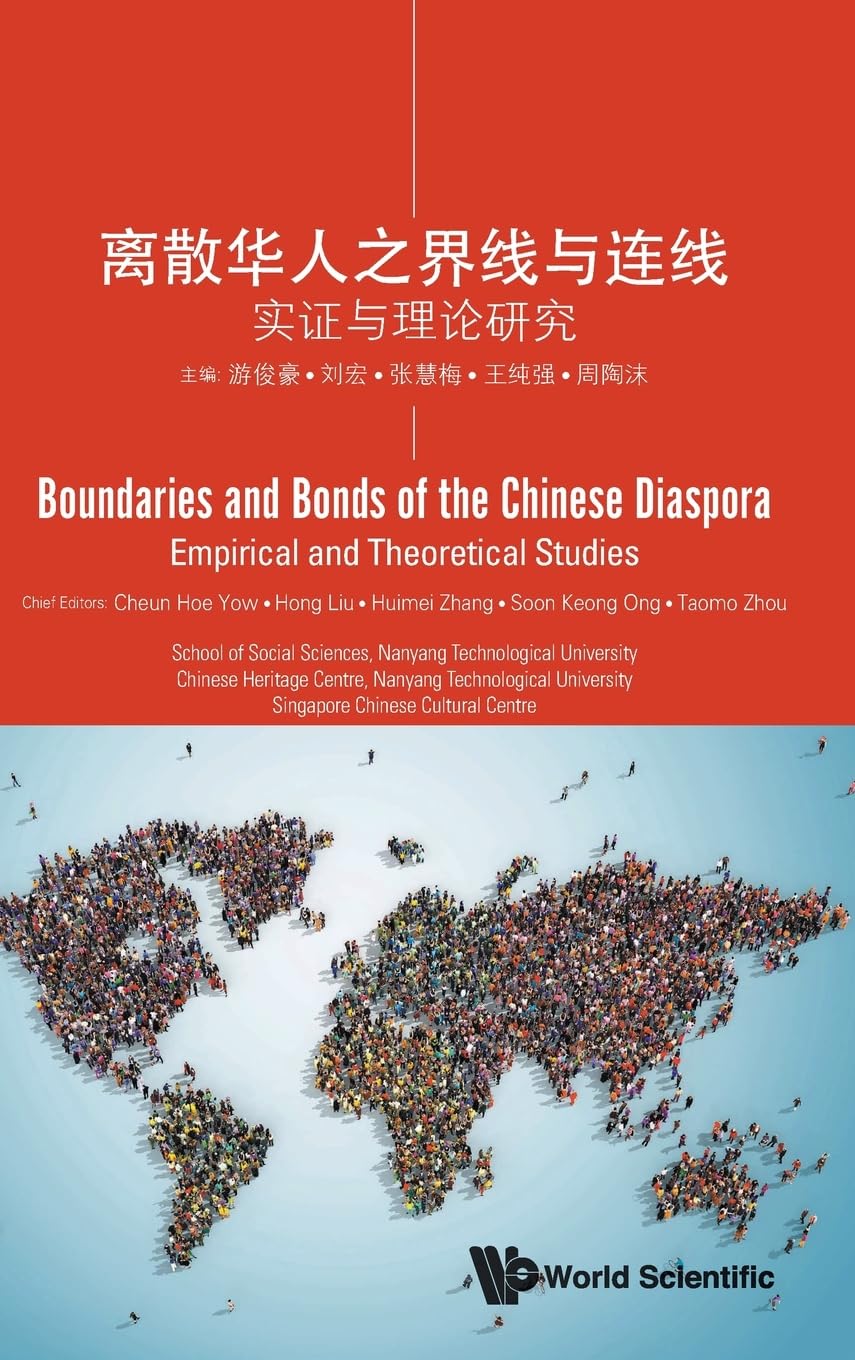
Boundaries and Bonds of the Chinese Diaspora
《离散华人之界线与连线:实证与理论研究》
Cheun Hoe Yow, Hong Liu, et al.
eBook: https://search.library.duke.edu/permalink/01DUKE_INST/1tt6tl1/alma99119794751708501
看完电影《给阿嬷的情书》,你可能会对那些跨越山海的家庭故事感到好奇——那些年,华人是怎么离乡背井,又在异乡扎下根来的?这本书正好能回答这些问题。它不是一本枯燥的学术书,而是用一个个真实案例,讲清楚了海外华人如何一边打破地理和文化的边界,一边靠亲情、乡情把彼此紧紧连在一起。无论你是对家族历史感兴趣,还是想理解今天的华人社会为什么是这样,这本书都会给你很多启发。
After watching Dear You, you might find yourself wondering about the real stories behind those families separated by oceans. How did the Chinese diaspora leave their hometowns, and how did they build new lives far away? This book, Boundaries and Bonds of the Chinese Diaspora, has the answers. It’s not a dry academic read. Through real-life cases, it shows how overseas Chinese broke down boundaries—geographical and cultural—while holding onto deep bonds of family and community. Whether you’re curious about your own family history or want to understand today’s Chinese diaspora, this book is well worth your time.
《南侨回忆录》
The Memoirs of an Overseas Chinese of the Southern Ocean
陈嘉庚 (Tan Kah-kee)
Call Number: HC445.8.C47 C52 2022
电影《给阿嬷的情书》聚焦侨批与下南洋的历史,呈现南洋华侨异国谋生、寄信接济家乡的往昔。陈嘉庚撰写的《南侨回忆录》正是对应这段历史的纪实文字。该书创作于1943至1945年,彼时作者为躲避战乱避居印尼,书中不仅记述了普通人远赴南洋艰难谋生、依靠侨批维系家人生计的经历,与影片中长辈远赴异国打拼、辗转寄送家书钱款的情节相互呼应,还详细记录了抗日战争期间南洋各地华侨筹措物资、捐款支援祖国抗战的史实,更写下了陈嘉庚先生倾尽家财创办厦门大学、集美学校等教育事业的艰辛历程,完整留存了近代南洋华侨的生存轨迹、爱国行动与兴学精神。
The film Dear You focuses on the history of Qiaopi and the Chinese diaspora to Southeast Asia, depicting how overseas Chinese made a living abroad and supported their families back home through letters and remittances. Written by Tan Kah Kee from 1943 to 1945 while he took refuge from the war in Indonesia, The Memoirs of an Overseas Chinese of the Southern Ocean serves as a factual record of this very period. The book not only documents the struggles of ordinary Chinese seeking livelihoods in Southeast Asia and supporting their families through Qiaopi—echoing the film’s portrayal of elders working overseas and sending money and letters home—but also provides a detailed account of how overseas Chinese across Southeast Asia raised funds and supplies to support China during the War of Resistance against Japanese Aggression. Moreover, it recounts Tan Kah Kee’s arduous journey of founding Xiamen University, Jimei Schools, and other educational institutions with his personal fortune, thus preserving a complete record of modern overseas Chinese life, patriotic deeds, and their spirit of promoting education.
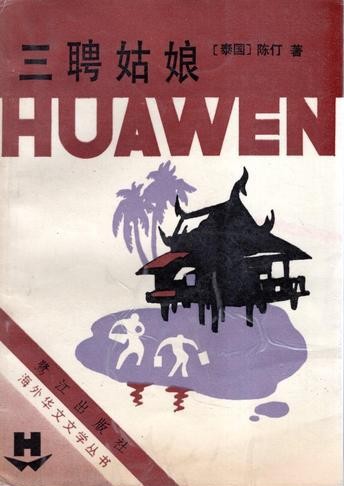
《三聘姑娘》
The Sampeng Lassies
陈仃 (Chen Ding)
eBook:https://cadal.edu.cn/cardpage/bookCardPage?ssno=06603282&source=card
陈仃的《三聘姑娘》是20世纪50年代泰华文学的经典之作。小说以泰国曼谷最古老繁华的唐人街——三聘街为背景,围绕“兴记号”家族的兴衰与悲欢离合展开,尤其通过宝珠、秀珠、佩珠三位女性的不同命运,生动呈现了封建传统、西方风气与新中国进步思想在泰华社会中的冲突与交融。这部作品被誉为“二十世纪五十年代泰国唐人社会的一个缩影”,深刻记录了华人融入泰国的艰难历程。
作为参考书目,《三聘姑娘》也在精神上滋养了电影《给阿嬷的情书》。导演蓝鸿春曾透露,自己在创作阶段淘到这部泰国华文经典小说,并将其作为真实还原南洋历史的重要史料参考。这本承载着南洋华人集体记忆与离散情感的作品,帮助主创团队找到了通向那个时代的叙事路径。
Chen Ding’s The Sampeng Lassies is a classic of Sino-Thai literature from the 1950s. Set in Bangkok’s oldest and most bustling Chinatown—Sampeng Lane—the novel revolves around the rise and fall of the “Xingji” family and its joys and sorrows. Through the distinct fates of three women, Baozhu, Xiuzhu, and Peizhu, it vividly portrays the clash and fusion of feudal traditions, western influences, and progressive ideas from New China within Thai-Chinese society. Hailed as “a microcosm of Bangkok’s Chinatown in the 1950s”, the work profoundly documents the difficult journey of Chinese immigrants integrating into Thai society.
As a reference work, The Sampeng Lassies also spiritually nourished the film Dear You. Director Lan Hongchun revealed that he discovered this classic Sino-Thai novel while preparing for the film and used it as key historical material to authentically recreate the Nanyang era. The novel, imbued with the collective memories and diasporic emotions of the Nanyang Chinese, helped the creative team find their narrative pathway to that bygone era.
即将新增馆藏图书
Coming Soon to the Library Collection
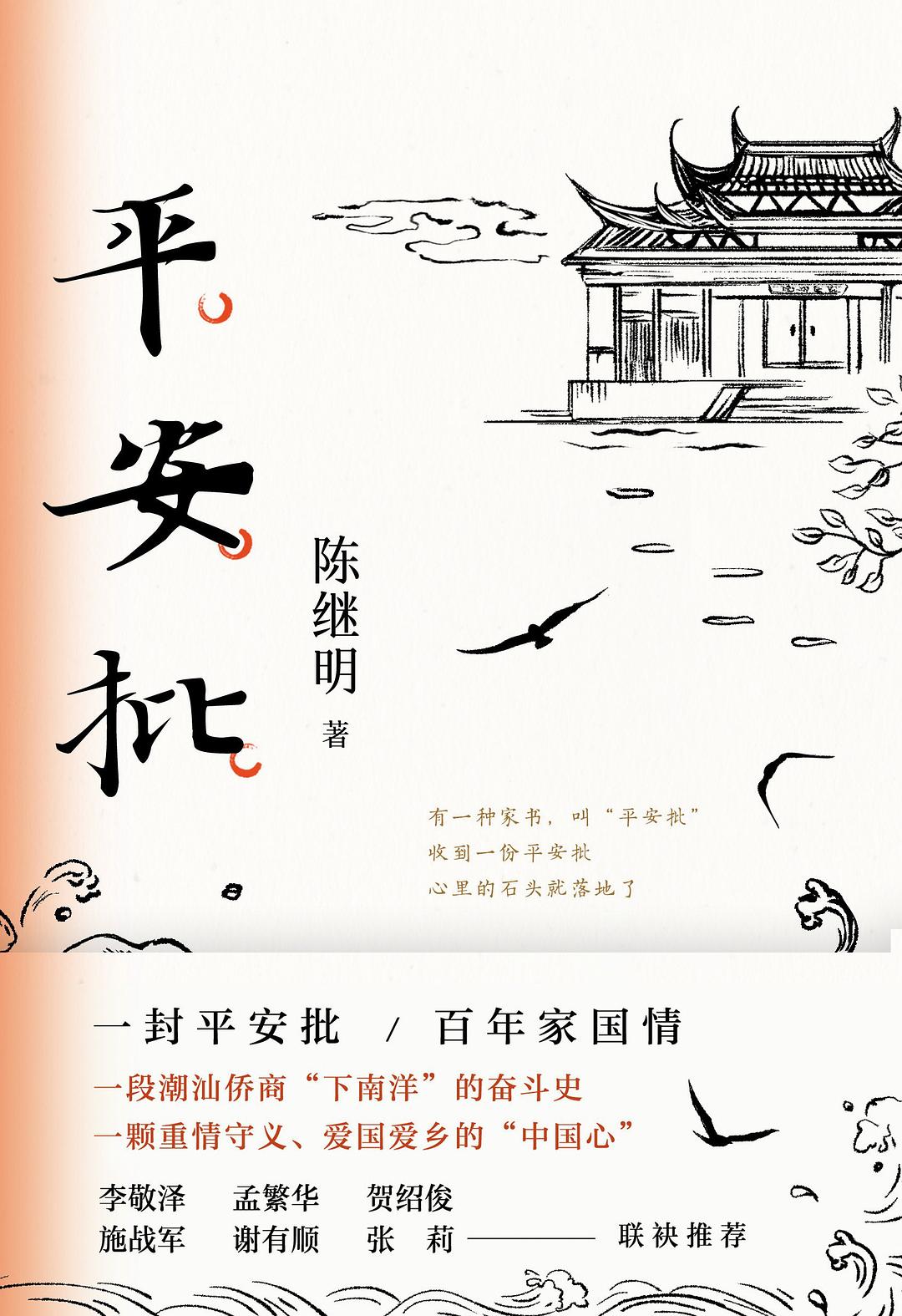
《平安批》
Ping’an Pi
陈继明(Chen Jiming)
“平安批”特指早年潮汕、闽南一带下南洋的番客抵达侨居地后,寄回家乡向亲人报平安的第一封银信合一的家书。陈继明的长篇小说《平安批》以这一独特的文化符号为线索,讲述了一位潮汕侨商在异国他乡将代写“平安批”发展为一生的诚信事业,并在战火中冒着生命危险开辟邮路、守护家国大义的传奇故事。
“Ping’an Pi” (Peace Letter) refers specifically to the first letter sent home by Teochew and Hokkien migrants after arriving in Southeast Asia, combining remittance money with a message to reassure their families of their safety. Chen Jiming’s novel Ping’an Pi follows this unique cultural symbol as it traces the legendary journey of a Teochew migrant merchant who turns the trade of writing these peace letters into a lifelong calling of integrity, and who risks his life to open postal routes during wartime—defending both family devotion and national duty.
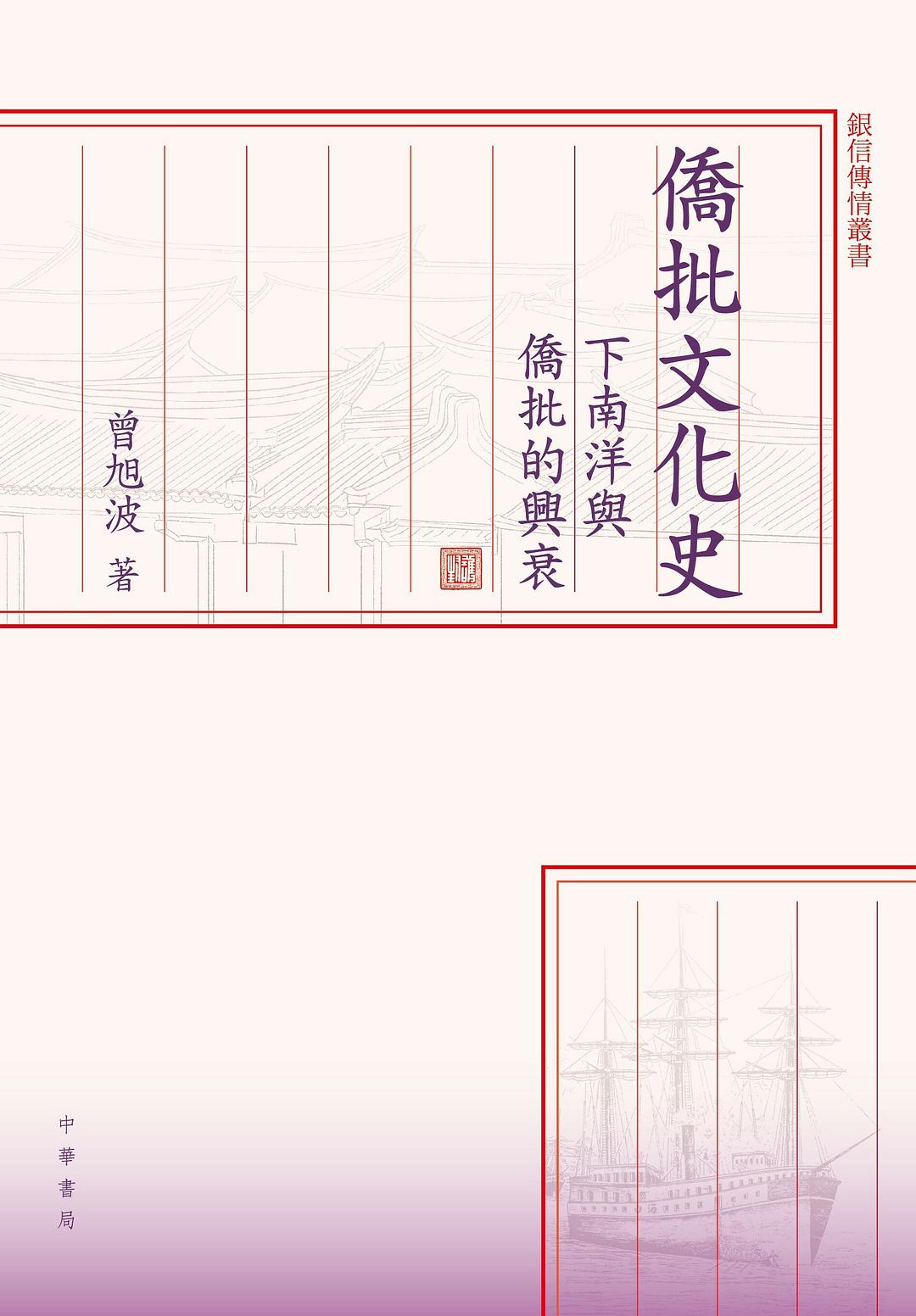
《侨批文化史:下南洋与侨批的兴衰》
A Cultural History of Qiaopi: The Nanyang Diaspora and the Rise and Fall of Remittance Letters
曾旭波(Zeng Xubo)
本书系统讲述了海外华人下南洋背景下,侨批的起源与运作机制。书中详细解析了从“水客”到专业化“侨批局”的演变过程,揭示了这一 “民国跨国信用体系”如何运转,帮助读者从专业角度理解电影中相关细节的历史与文化内涵。
The book systematically explores how the wave of Chinese emigration to Southeast Asia gave rise to Qiaopi — a unique form of private cross-border remittance and correspondence. It explains the evolution from individual couriers (water guests) to specialized Qiaopi agencies, revealing the operational mechanisms of this “Republican-era transnational credit system”. This book provides readers with a professional understanding of the historical and cultural details behind film portrayals of Qiaopi.
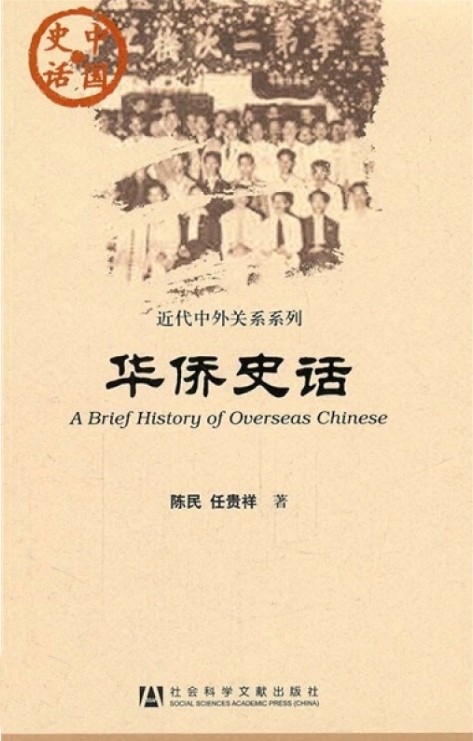
《华侨史话》
A Brief History of Overseas Chinese
陈民 任贵祥
本书系统讲述了近代中国华侨的移民历程、苦难遭遇与爱国贡献,是一部兼具历史深度与民族情感的华侨简明通史。
This book offers a concise yet comprehensive history of overseas Chinese, covering their migration, hardships, and patriotic contributions in modern times.
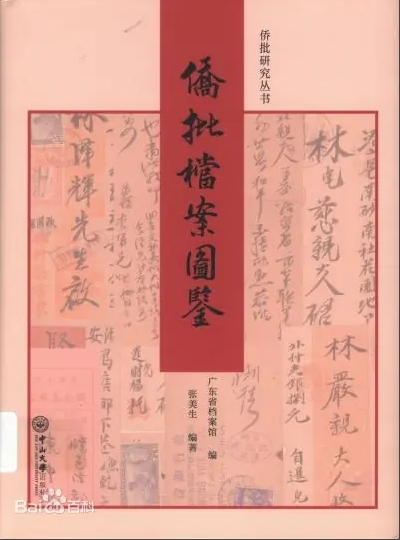
《侨批档案图鉴》
Illustrated Catalogue of Qiaopi Archives
张美生
《侨批档案图鉴》由侨批收藏与研究专家张美生编著,精选了从1882年至2010年间来自泰国、新加坡、马来西亚、印度尼西亚等国的侨批及相关档案文献约700件。书中对侨批档案进行分级评星,并创新性地提出侨批为“银或银信”的新观点,打破了传统“银信合一”的界定。作为国内外首部侨批档案图鉴,本书兼具史料价值与工具书功能,为侨批的征集、鉴定与研究提供了重要参考。
Illustrated Catalogue of Qiaopi Archives, compiled by Zhang Meisheng, an expert in Qiaopi collection and research, features approximately 700 selected Qiaopi documents and related archival materials from Thailand, Singapore, Malaysia, Indonesia, and other countries, dating from 1882 to 2010. The book introduces a star-rating system for Qiaopi archives and proposes an innovative definition of Qiaopi as “remittance or remittance-with-letter”, challenging the traditional understanding of “remittance-letter as one”. As the first illustrated catalogue of its kind, this work serves both as a historical reference and a practical tool, offering valuable guidance for the collection, authentication, and study of Qiaopi archives.
电影的故事会结束,但侨批与华侨的记忆仍在书页与数据中静静留存。欢迎您来本馆,翻一页书,查一封信,走进那段真实的过往。
The story on screen may end, but the memories of qiaopi and overseas Chinese remain quietly preserved in books and data. Welcome to our library — turn a page, search a letter, and step into that real history.