
Since we launched the One Month One Book initiative last October, we have received 277 book submissions from 106 members of our faculty, staff, and students as of the end of May. Now, let’s take a closer look at some of the most interesting numbers behind this reading journey.
One of the first things that caught our eye was the near-perfect linguistic balance: 140 Chinese titles and 136 English titles—a ratio of almost 1:1. This is more than a statistic; it speaks to the ease with which our readers move between two languages and two cultural frameworks.
When we sorted submissions by genre, five categories emerged as the most popular: fiction, humanities and social sciences, psychology, graphic novels and comics, and biographies. Fiction led the way—unsurprisingly, since stories are how we interpret the world. Yet the notable presence of psychology and biography shows that many readers are equally drawn to self-reflection and the search for connection through others’ real-life journeys.
Several authors appeared repeatedly across submissions: J.K. Rowling, Ma Boyong, Chi Zijian, Shi Tiesheng, Yu Hua, and Keigo Higashino, among others. The list is wonderfully diverse—spanning fantasy, historical fiction, rural life, philosophical essays, realism, and mystery. Though their styles and subjects couldn’t be more different, each has clearly struck a chord with readers. Perhaps it’s simply that great authors transcend genre—good storytelling speaks for itself.
Here’s another fun thing: a lot of these books have been turned into movies or TV shows—Harry Potter, Red Sorghum, The Three-Body Problem, Pride and Prejudice. Which came first, the book or the screen? Probably different for everyone. But either way, it shows that these stories have strong lives—they grab you whether you read them on paper or watch them on a screen.
Looking back at all these numbers, what makes us happiest isn’t really the numbers themselves. It’s the picture they paint—a group of people who take time to read, to think, and to share. Every single book entry is like a little window into someone’s world. We came across some really interesting reflections that we think are worth sharing.
<Atomic Habits> by James Clear is a practical guide that breaks down the science of habit formation and shows how tiny, consistent changes can lead to remarkable long-term results.
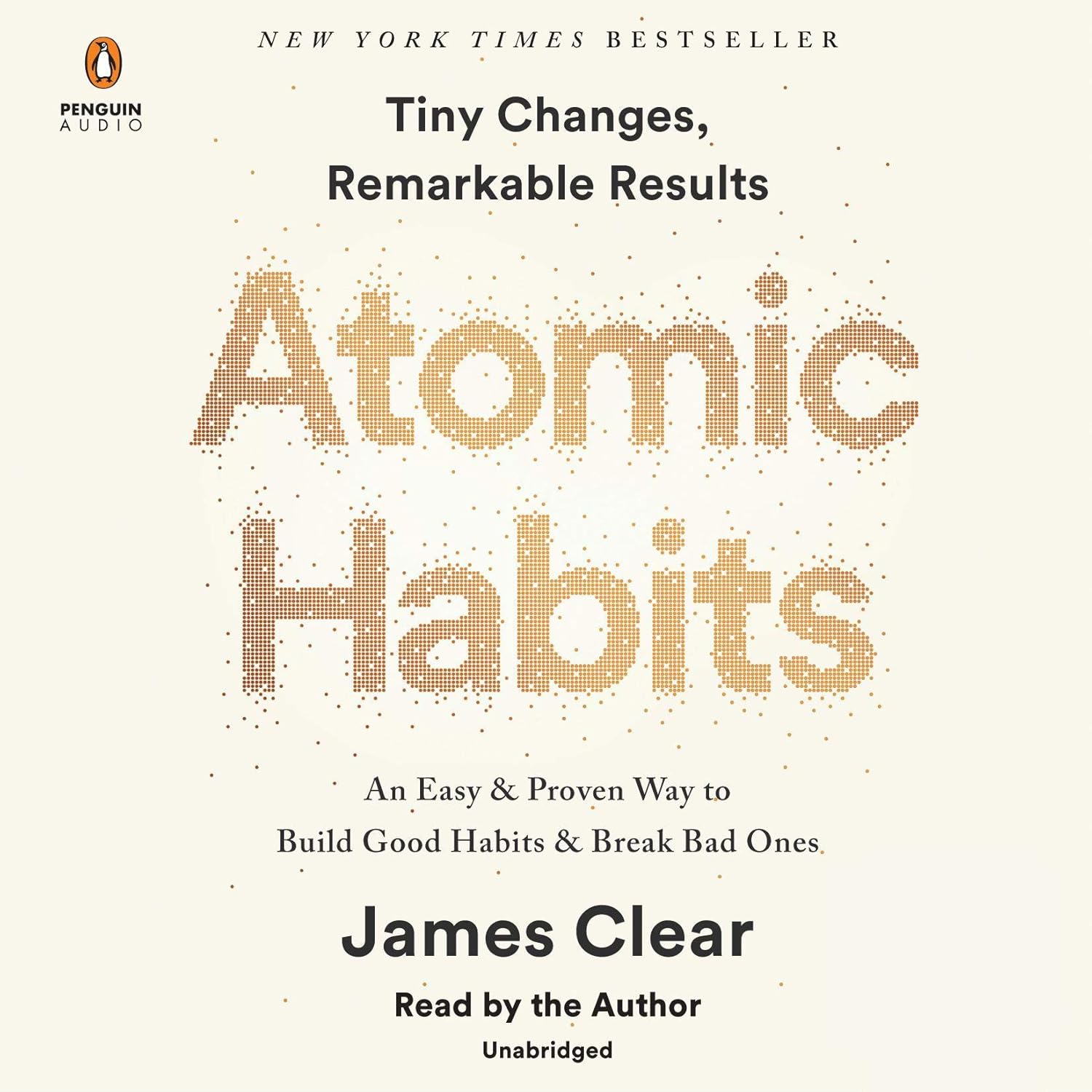
The undergraduate student Kadori (nickname) said: “This book is nothing to what I’m used to read, this is about self help, productivity and psychology. It was very interesting because it first lays down the foundation of how the habits are formed and how to build good habits, step by step. It doesn’t matter if that step is small or atomic, in the long run it will lead to a bigger change.
This book mainly helped me understand how to make my recent habits better since being a college student requires a lot of discipline and this is making a foundation for that… I really recommend people reading it at least once as it is life changing”.
We were especially glad to see how this reader connected the book’s core ideas to their own college life—turning theory into personal discipline is exactly what makes a book truly “life-changing”.
Joan Didion’s <The Year of Magical Thinking> is a memoir chronicling her journey through grief after the sudden death of her husband, exploring the irrational “magical thinking” that accompanies loss as she tries to make sense of a life irrevocably changed.
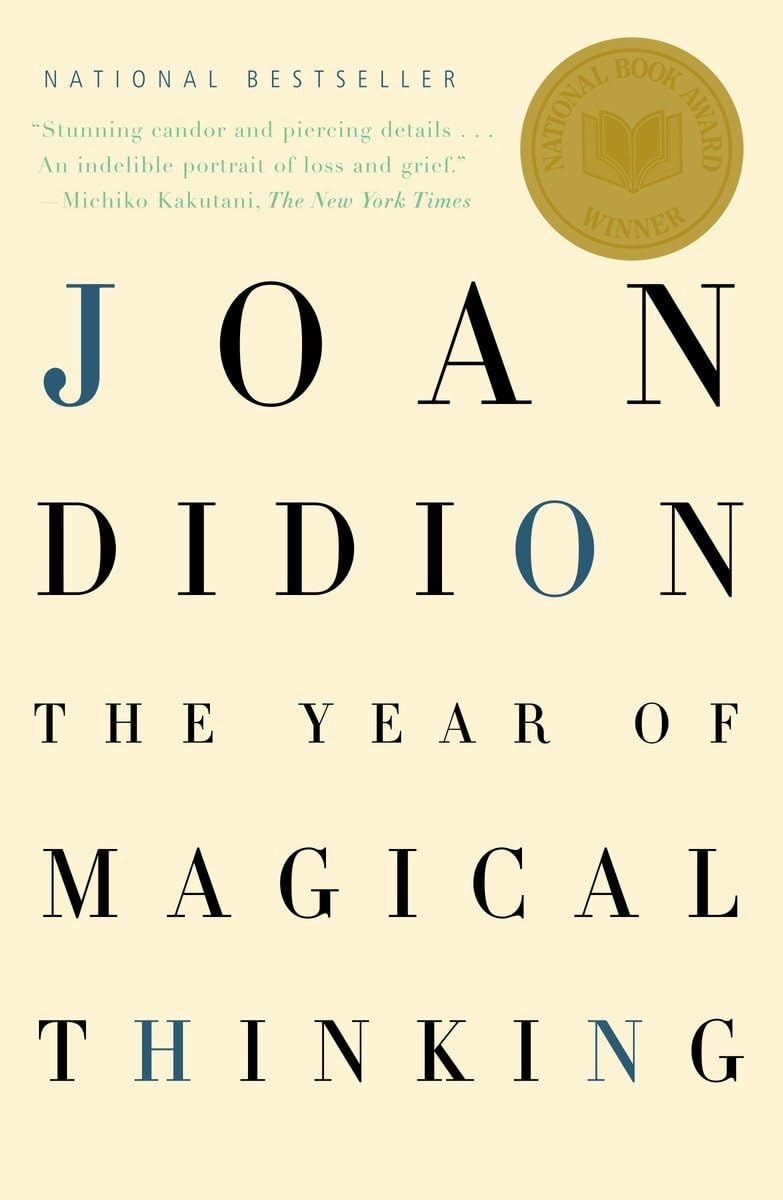
One of the professors wrote: “This is a book about (sudden) loss of loved ones and coming to terms with losses. Joan Didion, in her own unique style of seeming detached writing, pierced the wall that separates life and death forever, by wanting time to pass slowly, so slowly that it stays on the day when her husband dies suddenly.
I felt deeply conflicted by recommending this book, partly because it is about death and loss and grief, and partly because Didion’s style of aloofness and cool, even when writing about the loss of the love of her life. But, is there only one way to write about loss and pain? I hope the answer that we can all come up with is NO. Then why cannot someone write it in the way that seems most real, authentic, and right to them? This book, on a very fundamental level, challenges readers to think deeply about their own expectations and perceptions on writing”.
Her review admires Didion’s unflinching, cool‑eyed honesty about grief while subtly turning the mirror on readers, asking us to question our own narrow expectations of how pain should be written.
<Train to Pakistan> by Khushwant Singh is a historical novel set during the 1947 Partition of India, depicting how a peaceful village is shattered by communal hatred after a trainload of dead bodies arrives, and follows a Sikh criminal’s redemptive act to save his Muslim lover amidst the violence.
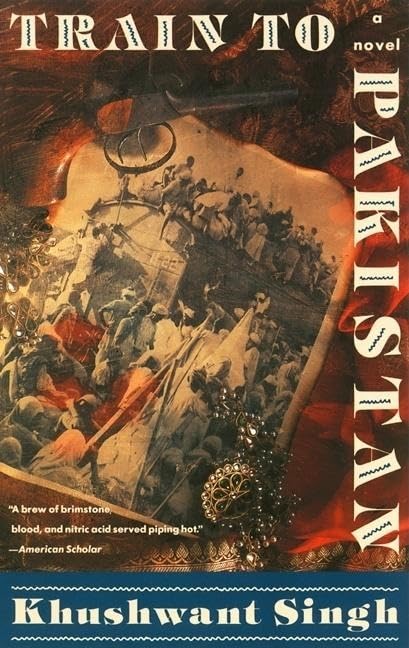
Honey (staff) wrote: “ Reading Train to Pakistan by Khushwant Singh felt like watching a quiet village slowly lose its breath. Set in the fictional Mano Majra, where Sikhs and Muslims have lived like family for generations, the story begins with stillness. There’s routine, prayer, superstition, and an undercurrent of trust. But then a ghost train arrives, its silence louder than any violence, and the air starts to change. Suspicion creeps in. Neighbors become strangers. Harmony, once taken for granted, collapses under the weight of Partition. I’ve read about 1947 in school textbooks, where it’s reduced to dates and decisions made by men in Delhi. But Singh doesn’t write about leaders; he writes about people. Simple, flawed, frightened people. Villagers who don’t understand why they must choose a side when all they’ve known is each other. The novel slowly builds and then crashes into a haunting climax—one I never saw coming, yet felt deeply. The prose is unadorned, almost indifferent at times, and that’s what makes it so powerful. It never begs for your emotion; it earns it. The sorrow is immense, but so is the humanity. In small acts of love, resistance, and sacrifice, the book reminds us that even in the darkest hours, light flickers through. It answered questions I didn’t know I was carrying: What did freedom mean to the forgotten villages? What happens when violence is handed to the powerless? What do people do when history chooses them as collateral? For anyone who wants to understand what Partition meant on a human level, not through numbers but through people, this book is a must-read. It left me with learning, sorrow, and, strangely, hope. Hope that stories like this still exist to remind us of the price of division and the courage of those who, in moments of madness, chose humanity instead”.
Her review captures the quiet, slow‑burn horror of Train to Pakistan by grounding the Partition in the fragile bonds of a single village, and ultimately finds that Singh’s unadorned prose doesn’t just narrate tragedy—it makes you feel the weight of ordinary people forced to bear history’s madness, yet still clinging to flickers of defiant humanity.
We also have included a dedicated section highlighting the top performers in terms of submission participation. The ranking features only those with the highest submission counts, showcasing the most engaged individuals across different groups. Please refer to the table below for the top-ranked participants.
| Liuchun Deng | Faculty | 26 |
| Jason Douglas Todd | Faculty | 18 |
| HMOB | Undergraduate student | 14 |
| Anonymous | Staff | 10 |
| 太好吃了 | Staff | 10 |
| Ceyun Zhang | Undergraduate student | 9 |
| Kenneth Richie Jr. | Undergraduate student | 9 |
| Pengcheng Tan | Staff | 8 |
| Coco Zhang | Undergraduate student | 7 |
| Anonymous | Undergraduate student | 6 |
| Anonymous | Faculty | 6 |
| Anonymous | Staff | 6 |
| Anonymous | Staff | 6 |
*Please note that we have used nicknames or anonymized the names based on reader preferences. Corresponding prize collection emails will be sent to each individual’s personal inbox shortly.
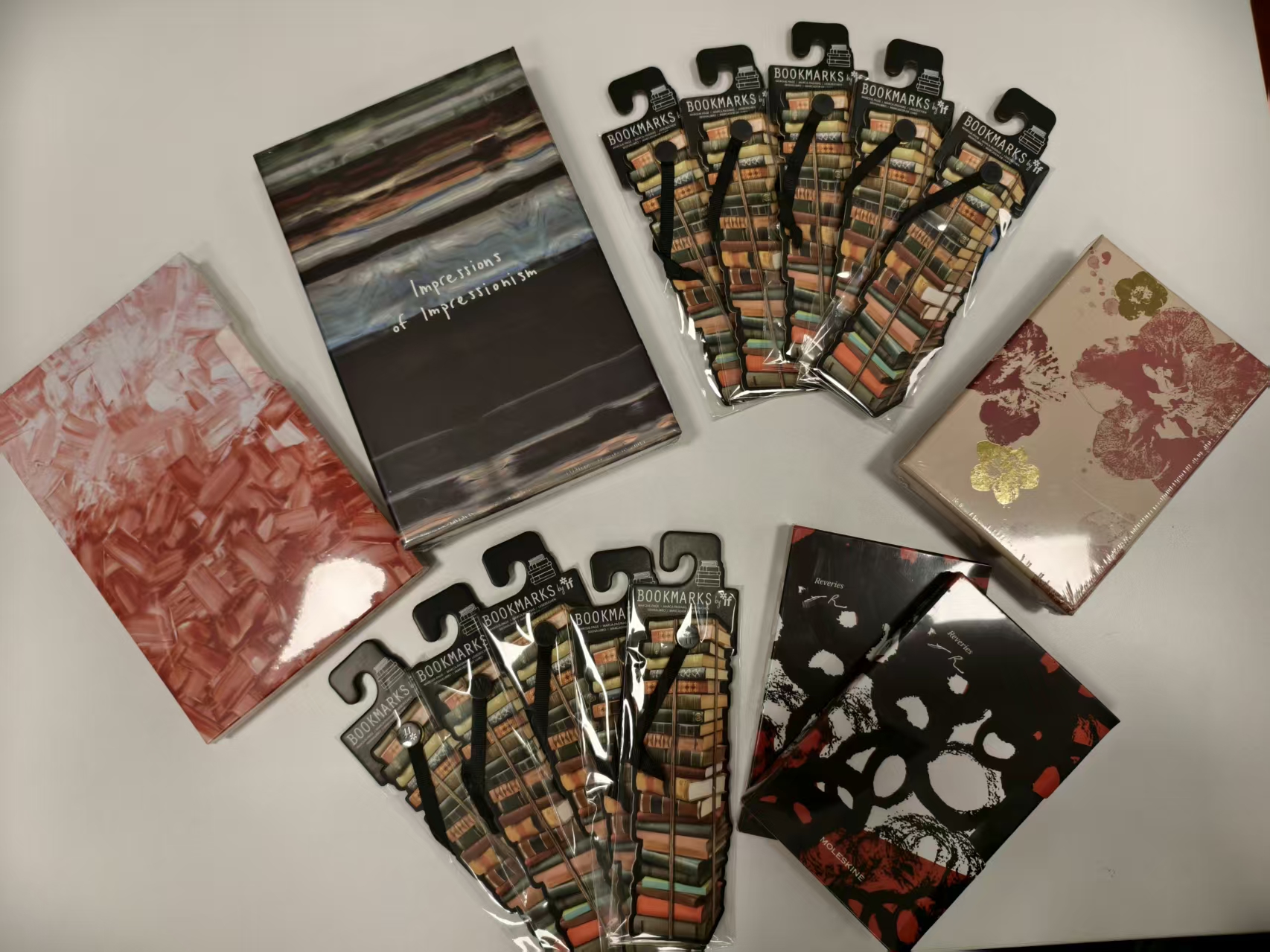
Moleskine is a legendary Italian brand renowned for its iconic black notebooks once favored by artists like Van Gogh and Picasso, and we are thrilled to offer this timeless classic as a gift to our top contributors—a truly meaningful reward that celebrates creativity and lasting value. We have also selected creative bookmarks from IF, a renowned UK-based brand celebrated for its imaginative reading accessories, to accompany this special prize.
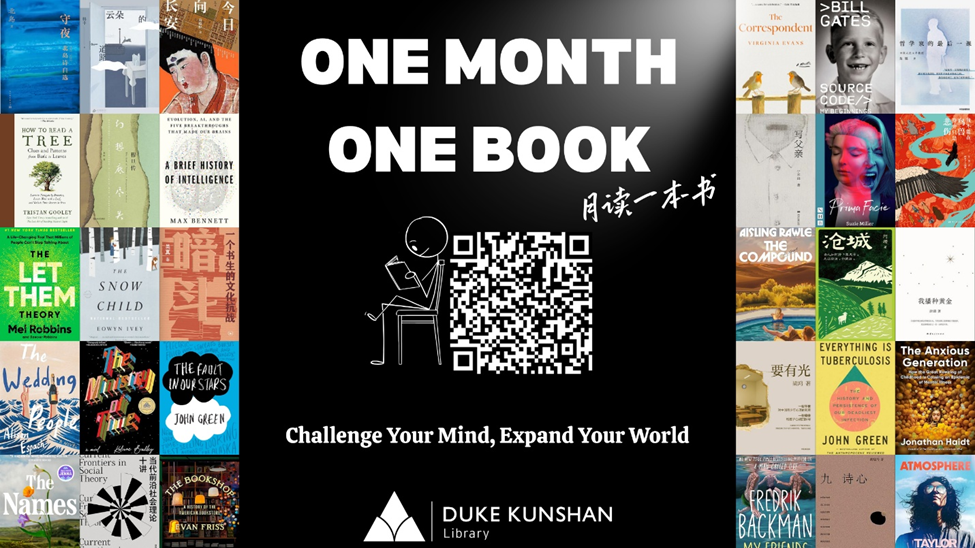
Starting this July 2026, One Month One Book becomes a permanent monthly tradition. Every month, we welcome your reflections, reviews, or creative responses to any book you’ve read—fiction, non-fiction, poetry, or beyond.
Simply submit your entry by the end of each month at: https://duke.qualtrics.com/jfe/form/SV_d7gp4mb4hlRCxXo. We will still offer special prizes to contributors with the most submissions, which will be announced every June as a thank-you for your consistency and passion.
We are grateful for your continued participation and eagerly anticipate the creative ideas you will share with us in the future.