
At Duke Kunshan University, Library is more than a quiet place to study. It evolves into an innovative and interactive hub for teaching, learning and research. From book fairs to game studio and archival exhibits, the library continuously reimages how its physical and intellectual spaces can support the DKU community.
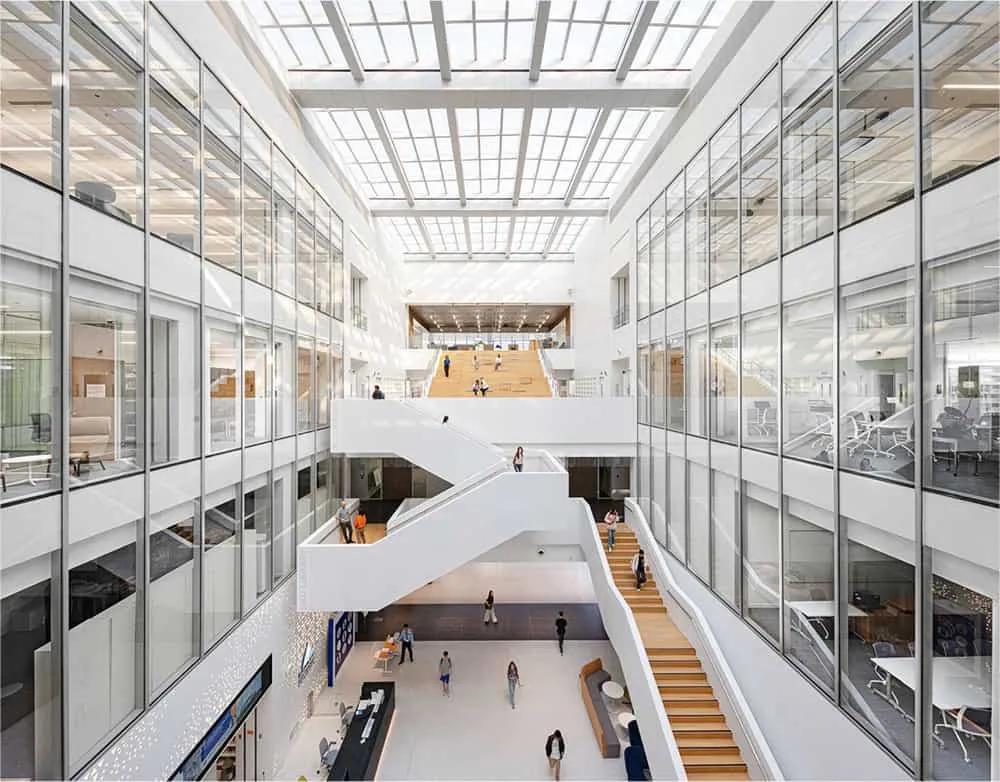
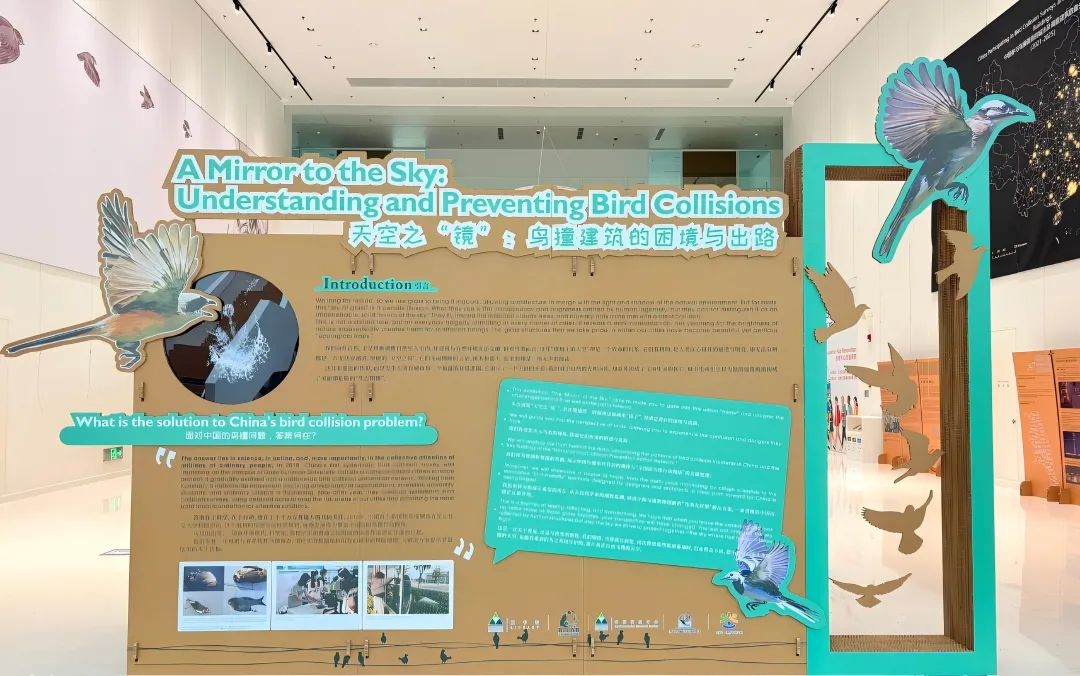
One example of this transformation is currently on display in the library lobby. A Mirror to the Sky: Understanding and Preventing Bird Collision is not just an exhibition. It is an initiative about how spaces can bring together research, student creativity and citizen science.
Academic libraries are not defined by books alone. At DKU, the library’s spaces-from the Game Studio to the Faculty Research Commons- are designed to foster collaboration, dialogue and hands-on learning.
The library lobby, in particular, has become a dynamic gallery where research meets public engagement. Exhibitions such as A Mirror to the Sky transform a walk to the elevator into an opportunity to discover. When faculty, students and staff pass through the lobby, they encounter not just information, but invitation: to see differently, to ask questions, and to act.
The initiative of this exhibition begins with a quiet observation.
One summer morning of 2017, Dr. Binbin LI, newly joined DKU as assistant professor of Environmental Science, noticed a small Yellow Bittern lying motionless beneath the glass corridor of water pavilion on campus. Its body was intact. The cause was not a predator, but a sheet of reflective glass.
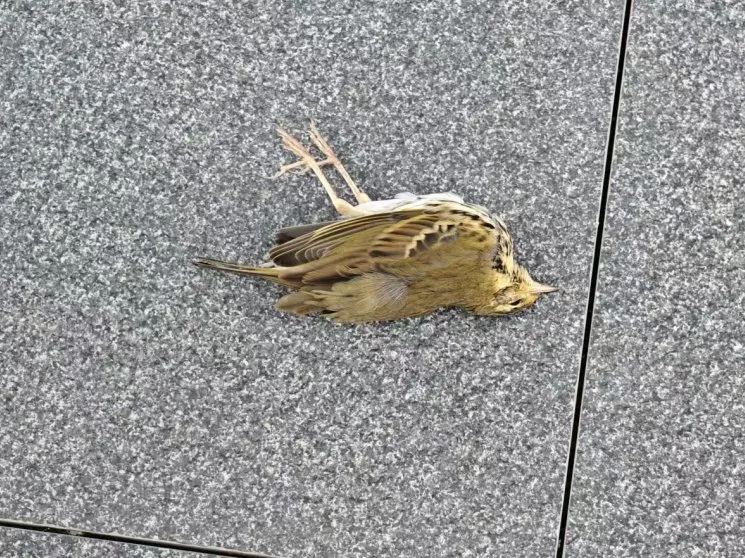
Dr. Li had been collecting such specimens for years – birds that flew into campus windows, their migration ended by an invisible wall of reflected sky. Her action moves forward. In September 2018, she launched the first phase of bird collision monitoring project on DKU campus, an innovative citizen science initiative that quickly attracted nationwide attention and participation. By 2021, the bird collision investigation had expanded into the 1st nationwide citizen science project. With years of specimen’s collection, Dr. Li wanted a place to display theses specimens, not as morbid curiosity, but as evidence. Evidence that modern architecture, can be deadly for birds.
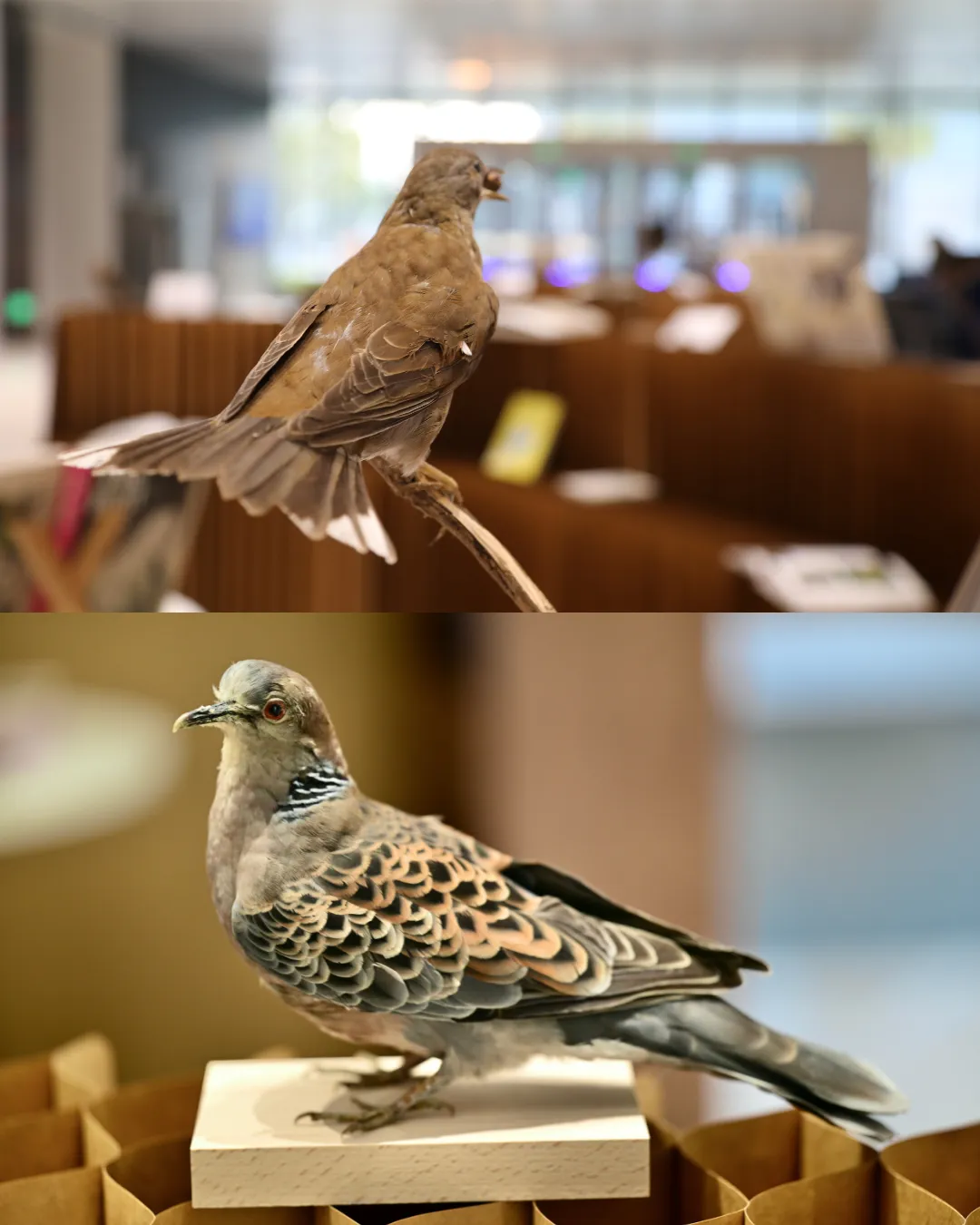
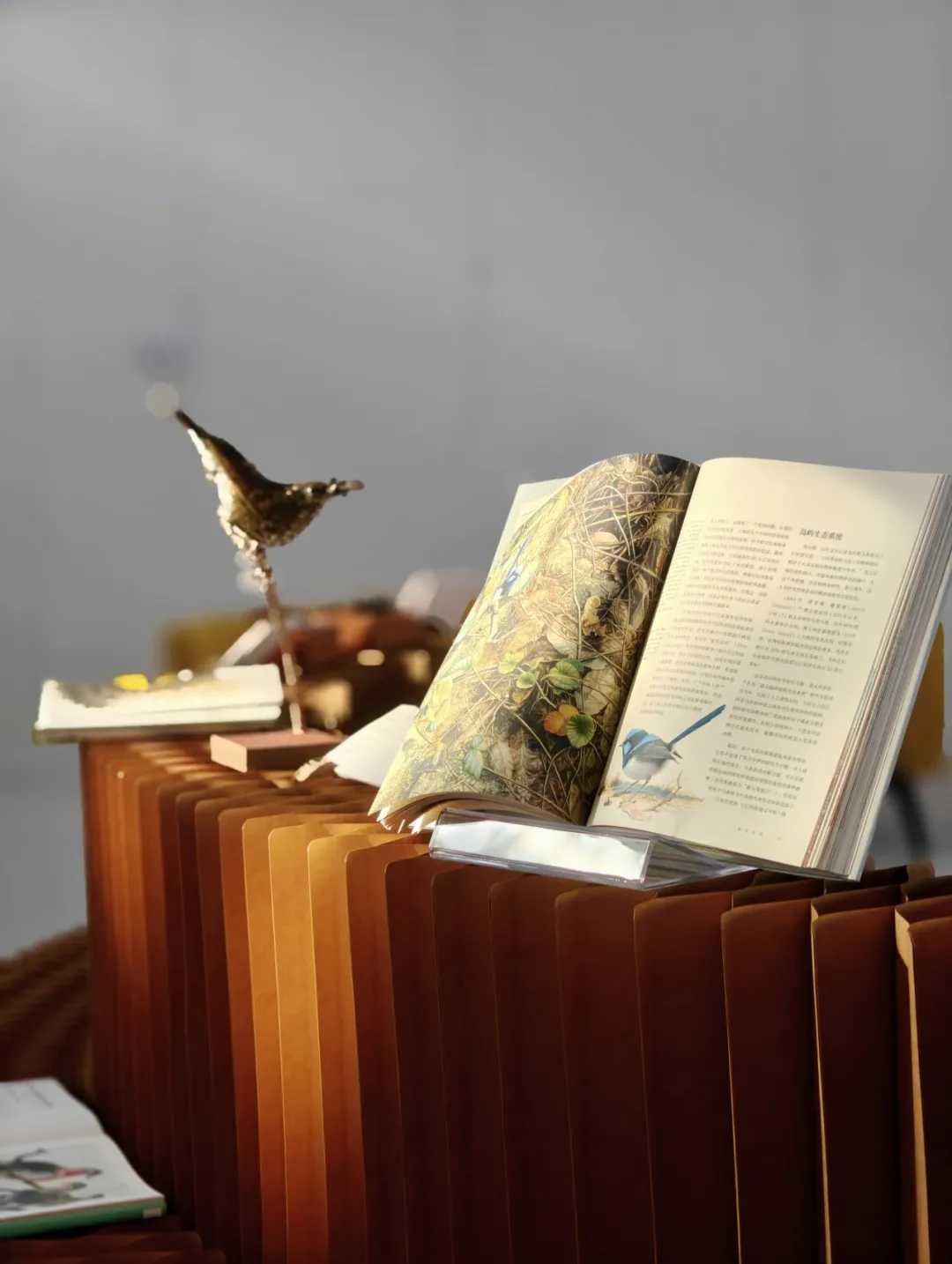
When Dr. Li approached Mengjie Zou, University librarian at DKU, the request shifted. “A display case is one thing”, Zou recalls. “But what if the library could do more? What if we could turn these specimens into a starting point of citizen science exhibition?” That question changed everything.
Zou and Dr. Li quickly brought together a diverse team: Xi YANG, research specialist in Conservation Biology from the Environmental Research Center, Xinyao GAO, Class of 2028 and Wildlife Observers Society leader, Yizhi LYU, Class of 2026 and experienced student curator, Xue QIU, Senior Coordinator for Outreach and Learning Resources Management from library.
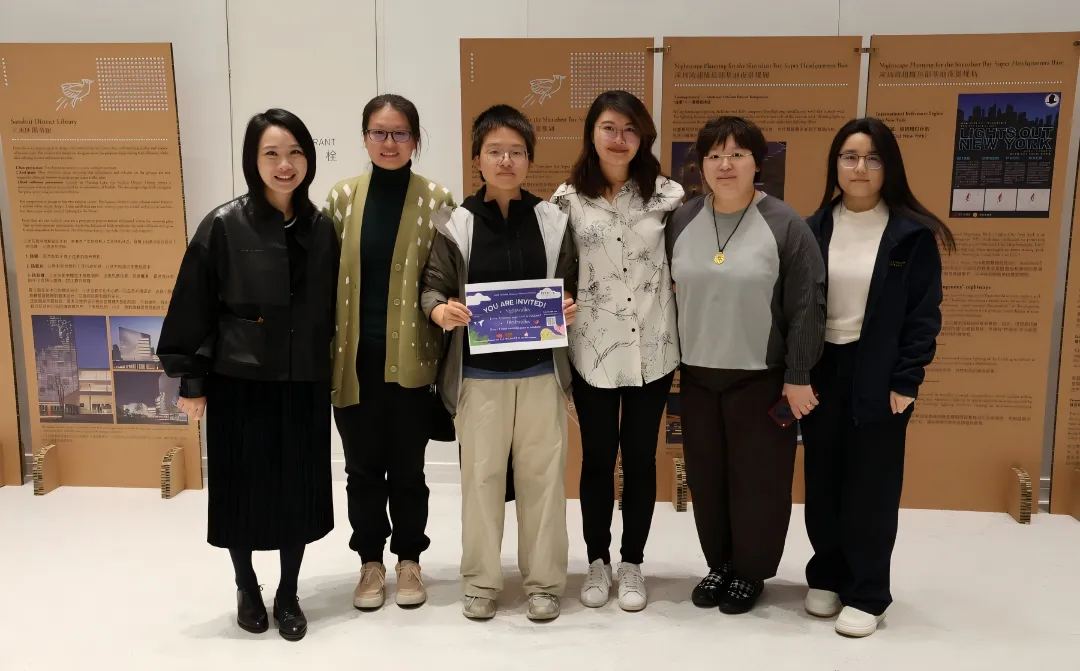
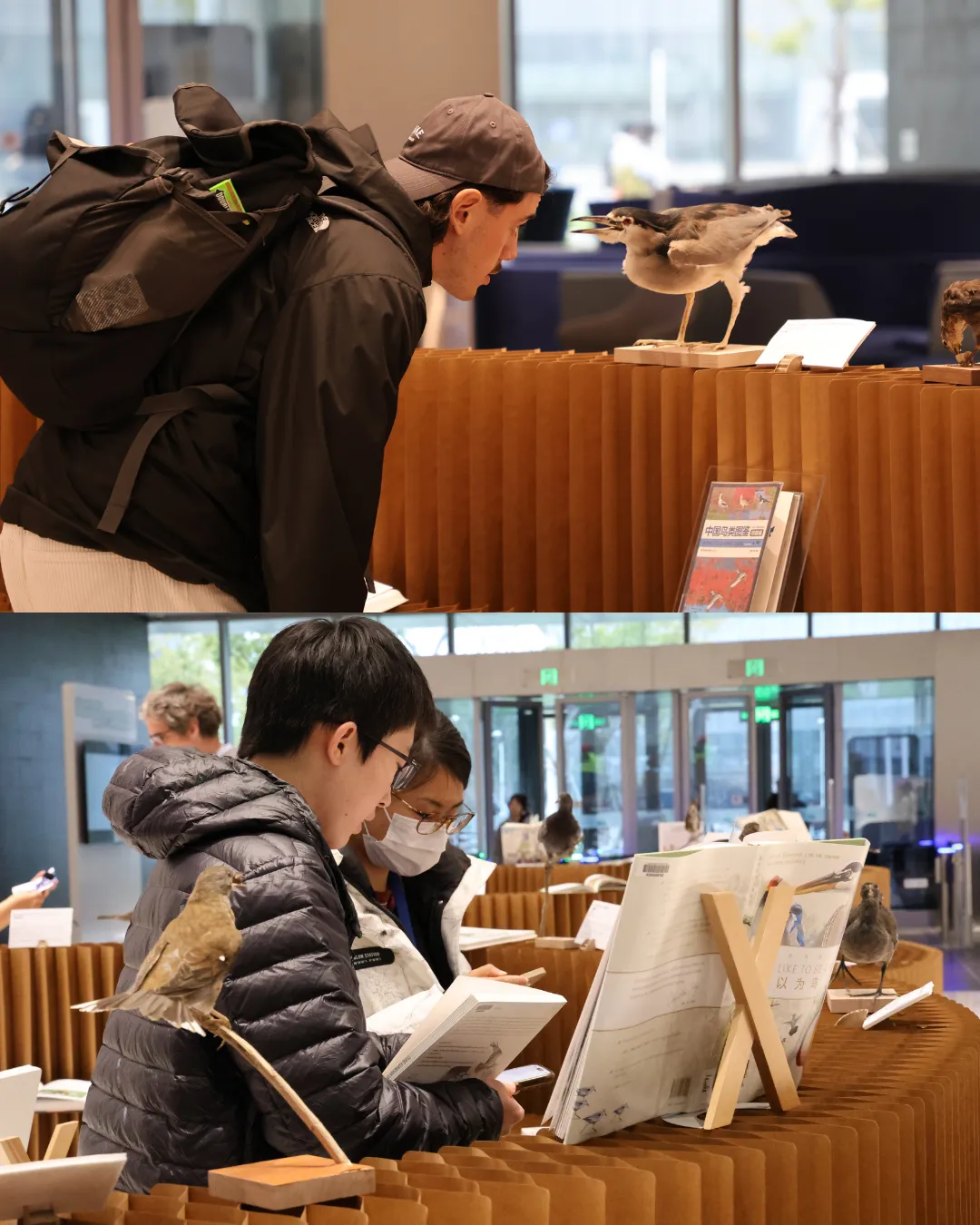
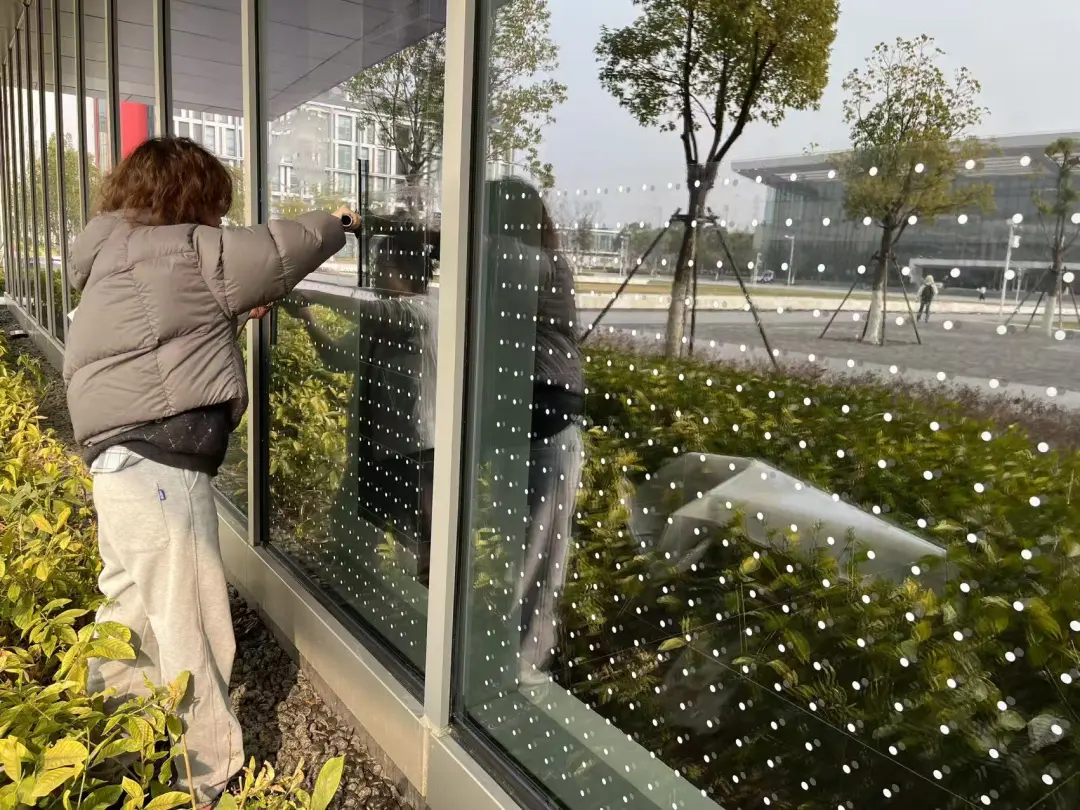
The team designed an exhibition that combines scientific research, visual storytelling, library collections and practical action. Visitors see bird specimens preserved from campus collisions. They learn how reflective glass creates fatal illusions. They discover bird-friendly design strategies: patterns, glass samples, lighting changes, case studies – that can save birds lives.
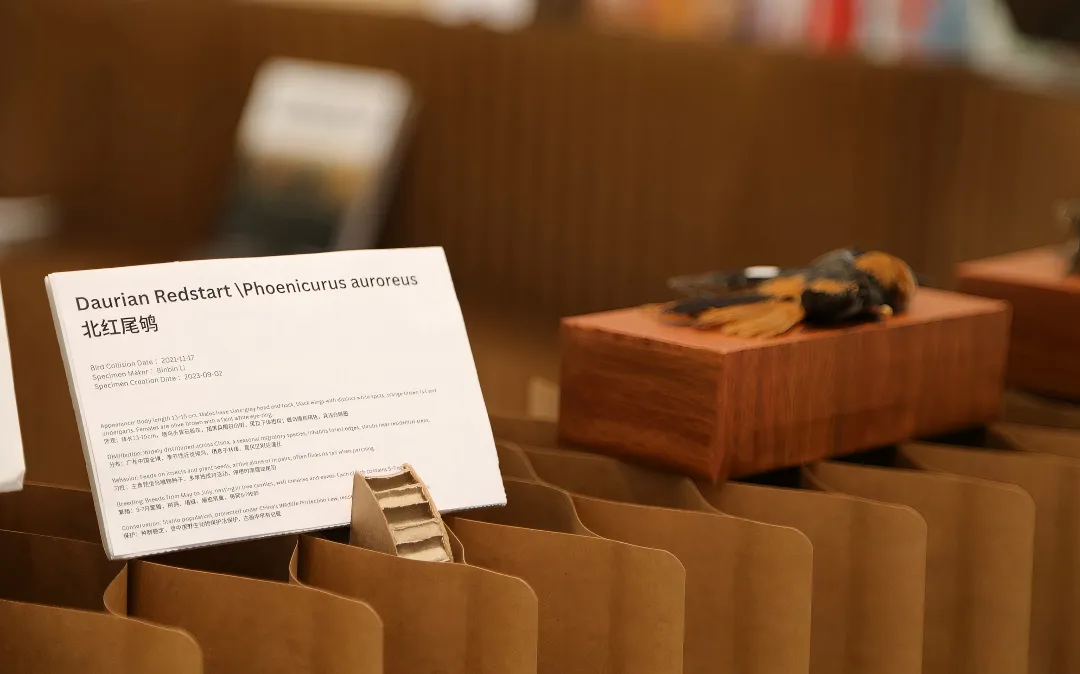
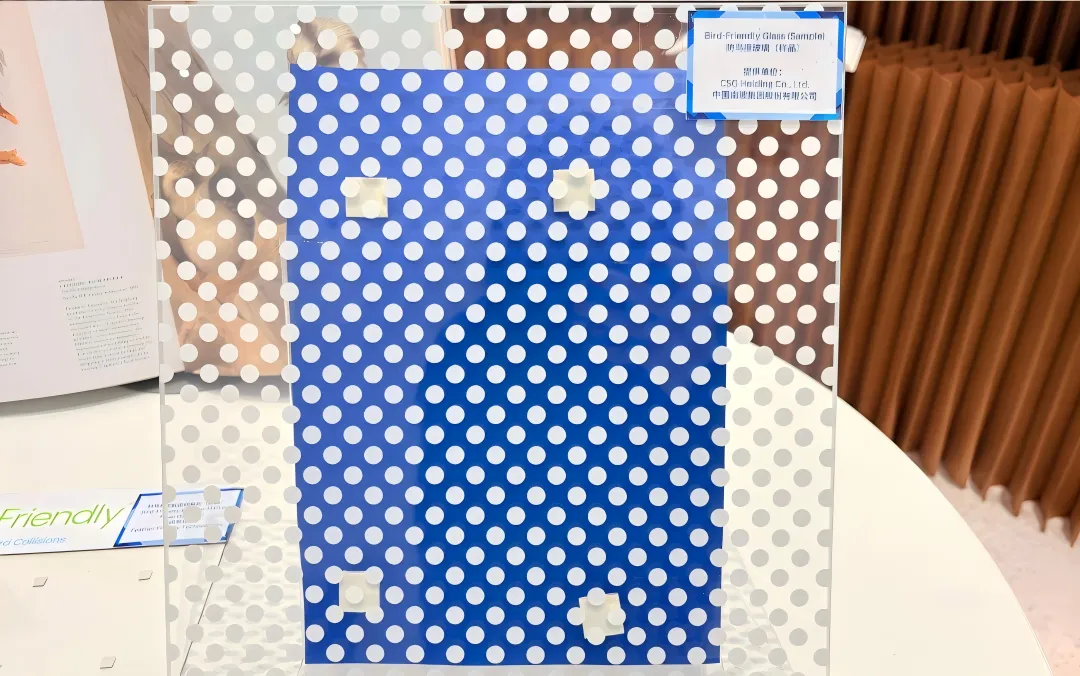
The team also created fun parts: video games such as Crazy Birds and board games like the Wings and puzzles supported by the Game Studio have attracted many visitors. QR codes displayed allow visitors to report bird collisions and upload the incident to the platforms directly. “The library is not a gallery”, says Zou. “We want everyone who sees the exhibition become part of the solution”.‘
The exhibition opened on March 13th, 2026, in the library west lobby. It will remain on view until June 21. From the first day, the response was immediate.
Students paused between classes to read the panels. Faculty brought their research groups to discuss bird-friendly campus. One student wrote in the comment book: “I walked past this window a hundred times. I never knew”.
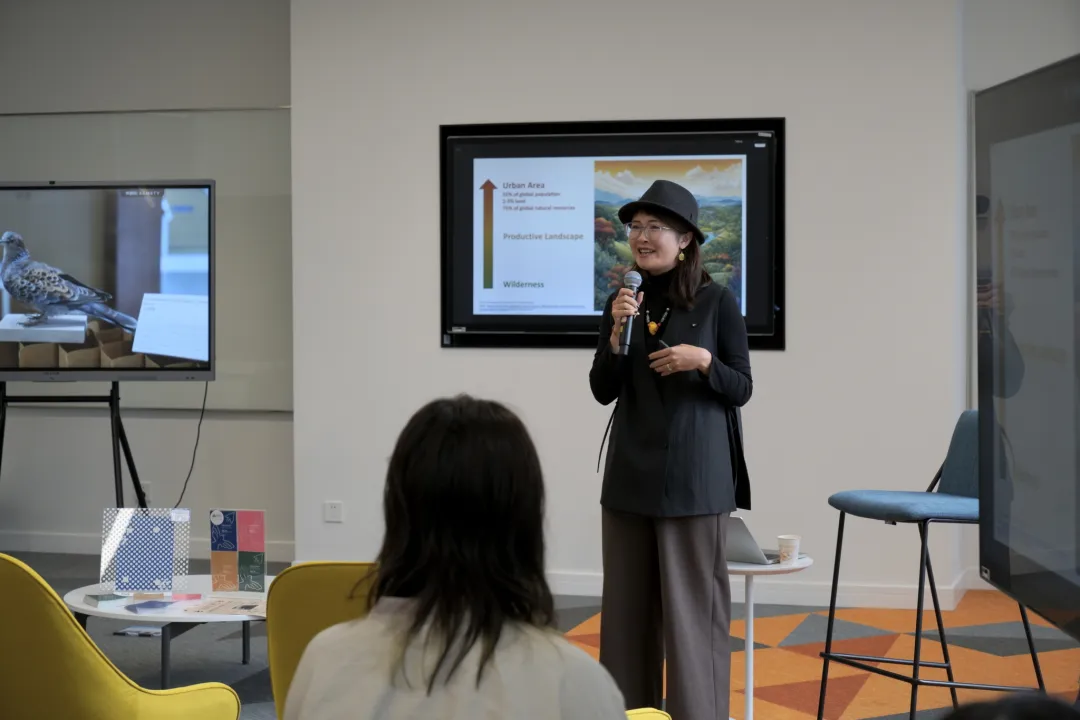
On March 23rd, Dr. Binbin LI, associate professor in Environmental Science delivered a talk titled “Bird Collision and Us” to the public. Librarians, students, faculty and staff listened as Dr. Li explained why citizen science matters. By reporting collisions through community platforms, anyone can help identify dangerous glass façade, track migration patterns and support bird-friendly design. She hopes that in the design of Campus Phase III, the architecture can be more bird friendly.
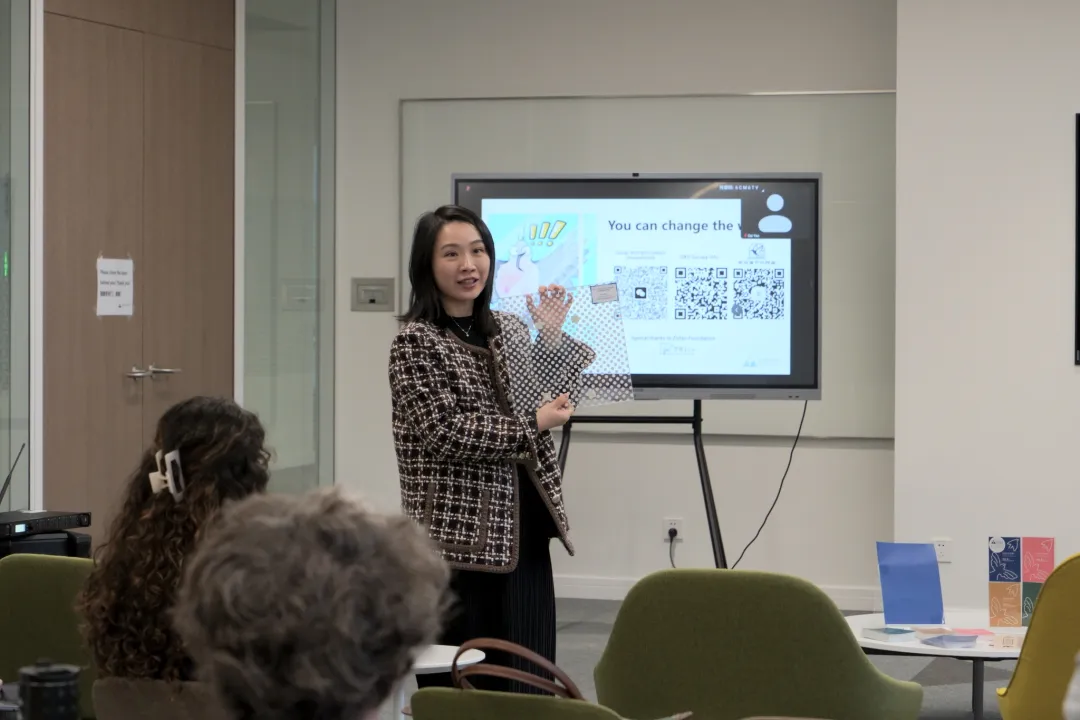
In the coming months, DKU Library plans to develop more exhibition initiatives-projects that turn passive observation into active learning. The library is committed to using its space and expertise to promote scientific literary, public engagement and collaborative learning.