
Just as we each have our unique IDs, books also have their own distinctive identifier called the ISBN, or International Standard Book Number. This 13-digit numerical code serves as a universal marker for books, e-books, and other singular publications, making them easily distinguishable amidst the literary landscape. Whether you are finding or reading a book, the ISBN can usually be spotted on the back cover or the copyright page.
What is ISBN?
The ISBN is composed of five distinct elements, usually separated by spaces or hyphens, with each element contributing to the book’s distinctive identity.
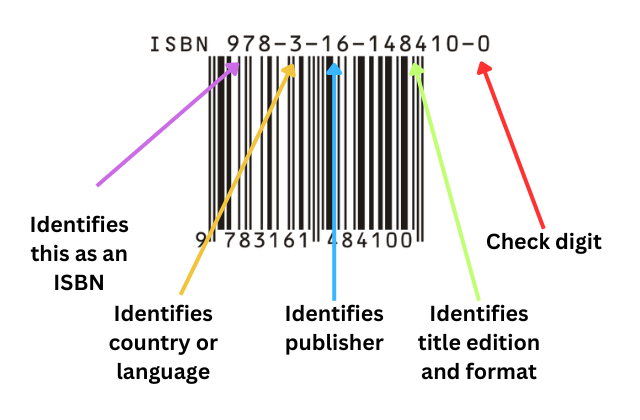
At the beginning of this string lies the prefix element, denoted by either 978 or 979. This sets the stage for the registration group element, a code that pinpoints the book’s specific country, geographical region, or language area. Next is the registrant element, a crucial piece of the whole ISBN that identifies the publisher or imprint responsible for the book. Then comes the publication element, which encapsulates the edition and format of the title, followed closely by the check digit. This final solitary digit acts as a guardian, validating the integrity of the entire ISBN.
Where does ISBN come from?
The origins of the ISBN can be traced back to Great Britain, where it evolved from the Standard Book Number (SBN), a 9-digit system pioneered by the esteemed British book retailer W. H. Smith and other luminaries in the UK book trade during the 1960s.
Concurrently, the International Organization for Standardization (ISO), a global entity dedicated to crafting international standards, recognized the potential of the British SBN for worldwide use. In 1972, the ISBN was officially adopted as an ISO standard, marking the beginning of its global journey.
More than thirty years after the creation of the 10-digit ISBN, the ISBN system switched to a 13-digit format on January 1, 2007. This adjustment was to increase the capacity of the ISBN and align with the numbering system used in global trade.
How to find books via ISBN
After learning about the ISBN, let’s explore how you can utilize it in DKU Library to find books.
When locating a book using its ISBN, follow these steps:
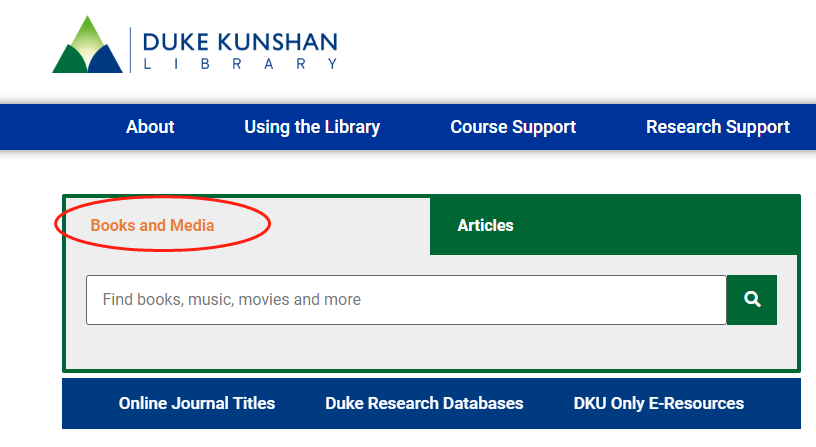
- Step One: Access DKU Library’s homepage (https://library.dukekunshan.edu.cn/) and locate the search engine. Use the “Books and Media” tab to search for a book.
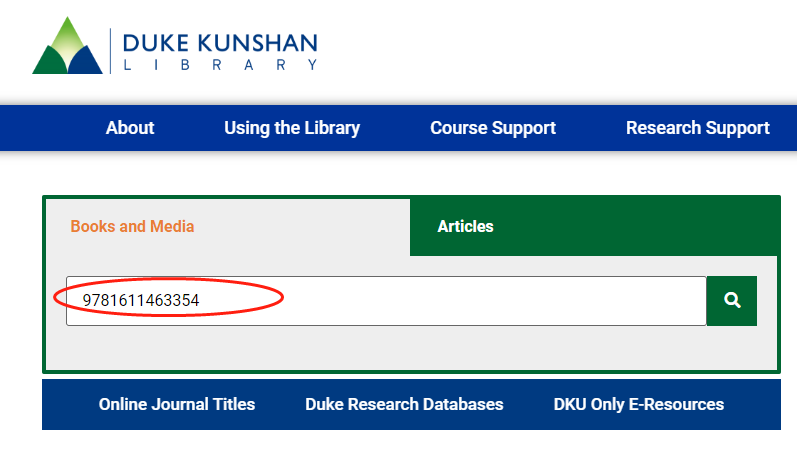
- Step Two: Enter the ISBN of the book in the library search engine, which will directly connect you with the specific book you are seeking.
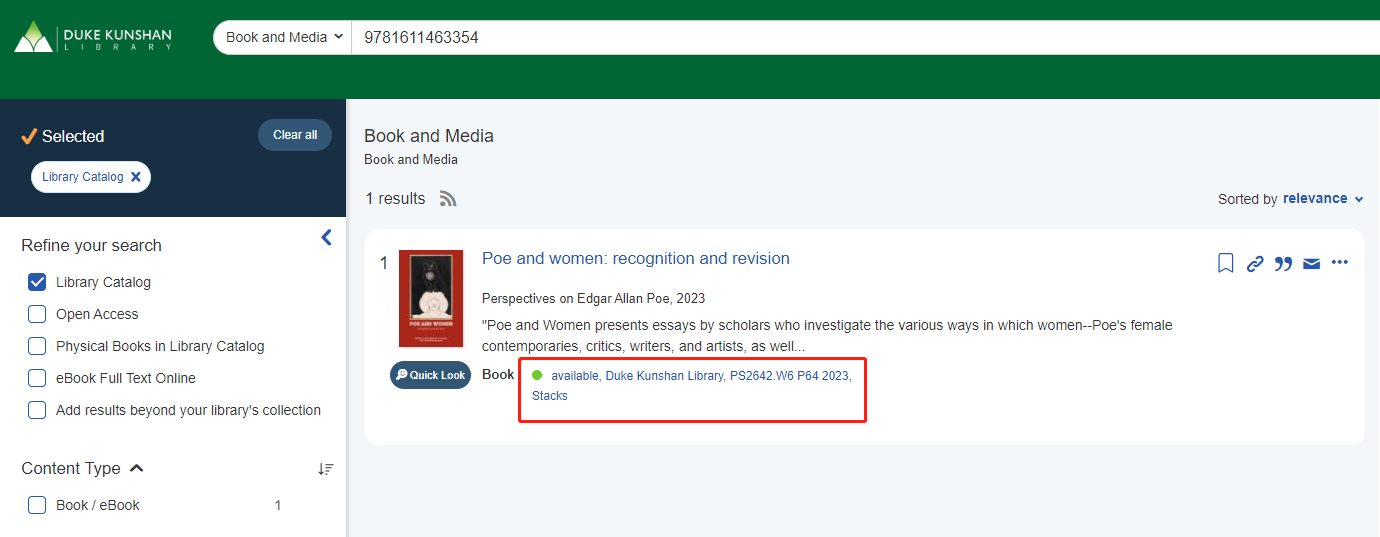
- Step Three: After conducting your search, the results will show the availability and the book’s location and call number. Then you can locate the specific book in DKU Library.
Using the ISBN Beyond the Library
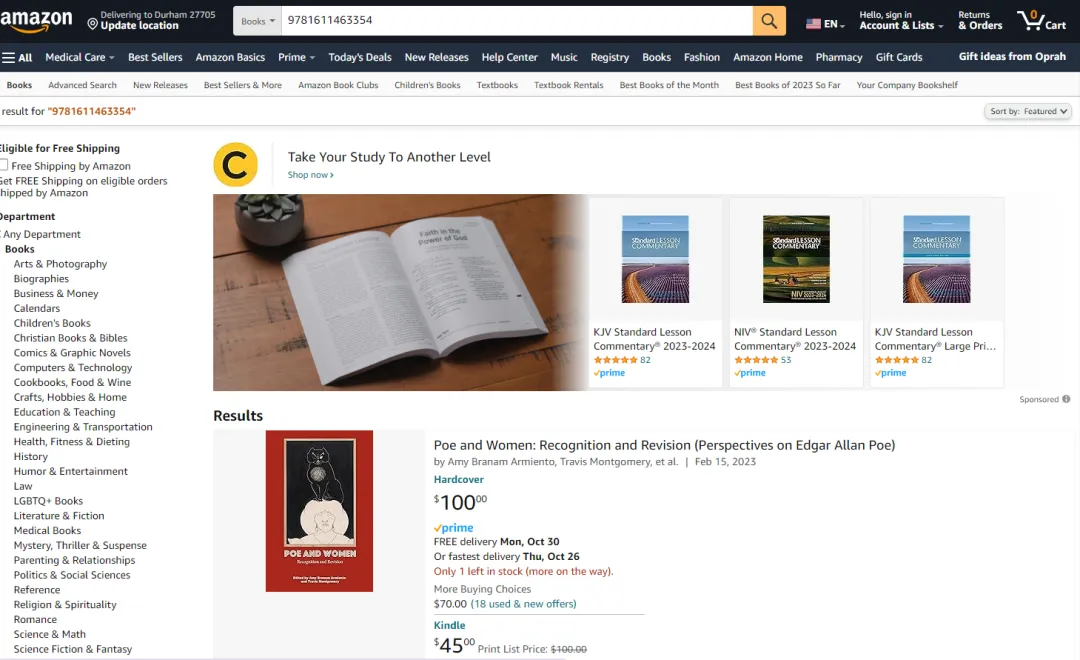
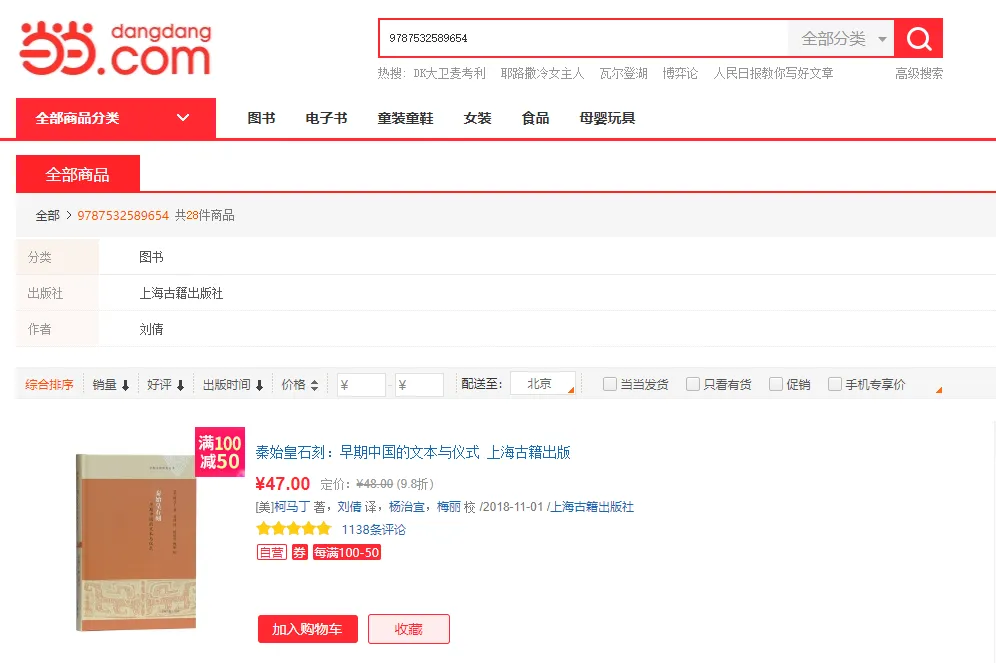
The ISBN extends far beyond the library shelves and empowers you in the digital time. Whether you are browsing books on Amazon, or a Chinese platform like Dangdang, using an ISBN in your search swiftly guides you to the exact edition you desire, simplifying your online book search.
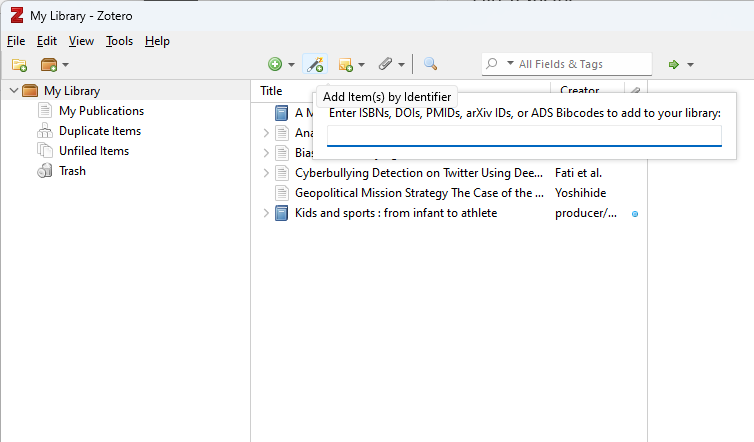
With this unique identifier, you can also add your cited works to citation tools like Zotero smoothly. By clicking the button for adding items by identifier and entering the ISBN in the box that appears, your references can be neatly organized in the library of Zotero.
The ISBN, in essence, is a universal ticket, opening doors to a world of knowledge and making literary explorations smoother. Next time you search, try using the ISBN in your academic endeavors!
[References]
American Library Association. (2022, June 28). ISBN and ISSN Systems: General Information and Resources. https://libguides.ala.org/isbn-issn/home
International ISBN Agency. (2023). National ISBN Agencies. https://www.isbn-international.org/content/national-isbn-agencies
International ISBN Agency. (2023). What is an ISBN? https://www.isbn-international.org/content/what-isbn/10
International Organization for Standardization. (n.d.). ISO: Global standards for trusted goods and services. https://www.iso.org/home.html
John Wiley & Sons. (2022, June 17). ISBN, ISSN, DOI: what they are and how to find them. https://www.wiley.com/en-us/network/publishing/research-publishing/writing-and-conducting-research/isbn-issn-doi-what-they-are-and-how-to-find-them
R.R. Bowker. (2023). About the ISBN Standard. https://isbn.org/about_ISBN_standard
R. R. Bowker. (2023). FAQs: General Questions. https://isbn.org/faqs_general_questions#isbn_faq18
R. R. Bowker. (2023). ISBN History. https://www.isbn.org/ISBN_history
Video Production | DKU Library
Co-editing | Cai Yan, Faith Anderson
Appearance & Voice-over | Sophia Hanani
Content | Cai Yan, Sophia Hanani, Faith Anderson
Layout | Cai Yan
Review | Mengjie Zou